
Smart Home Products We Support
Support for connected home devices where housing structure, PCB position, button feel, sensor openings, wireless layout, and final product usability need to work together before production.
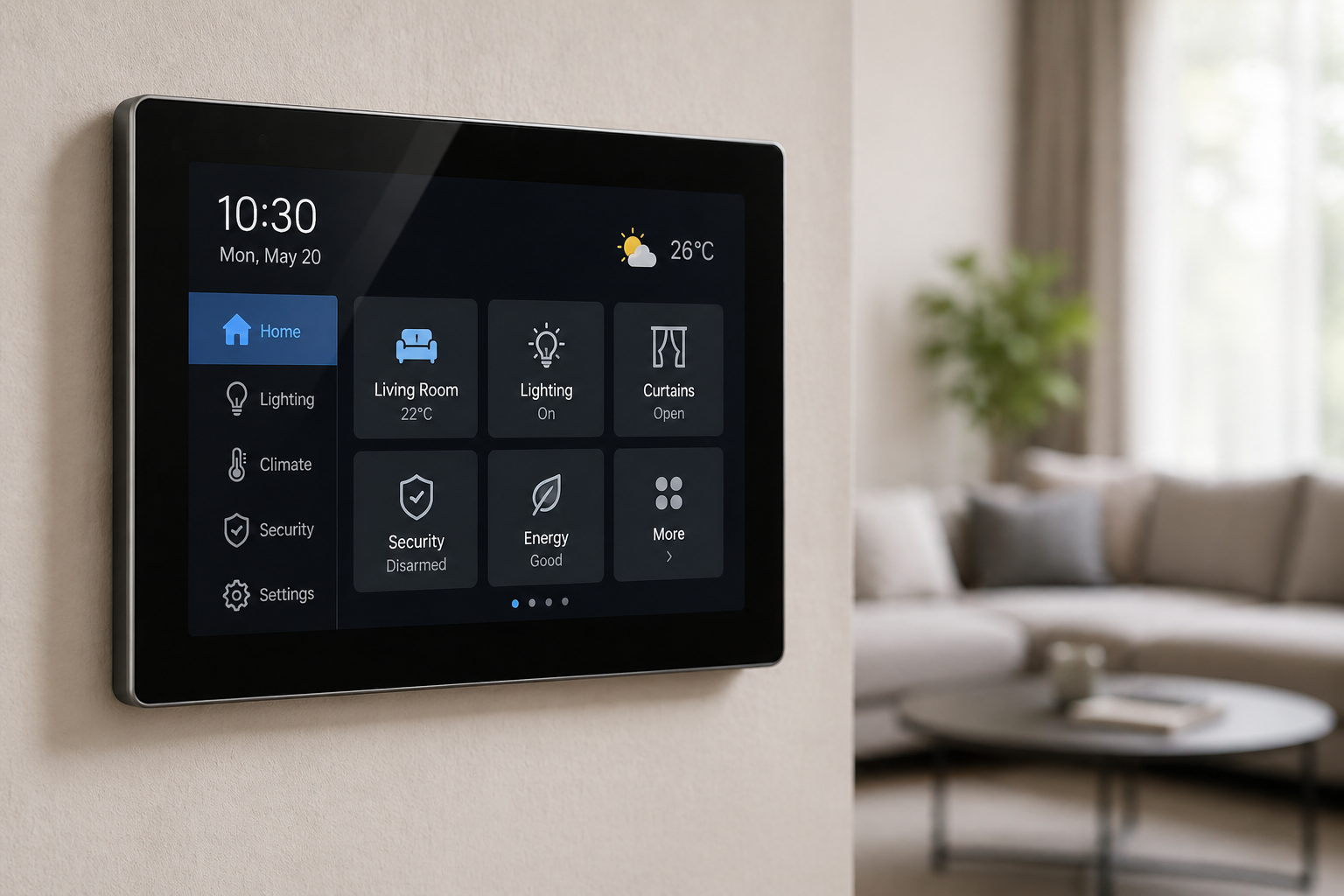
Smart Control Panels
Smart control panels require accurate coordination between the display window, touch area, internal PCB, buttons, and indicator positions.
- Screen window alignment
- Touch area and button feel
- LED indicator position
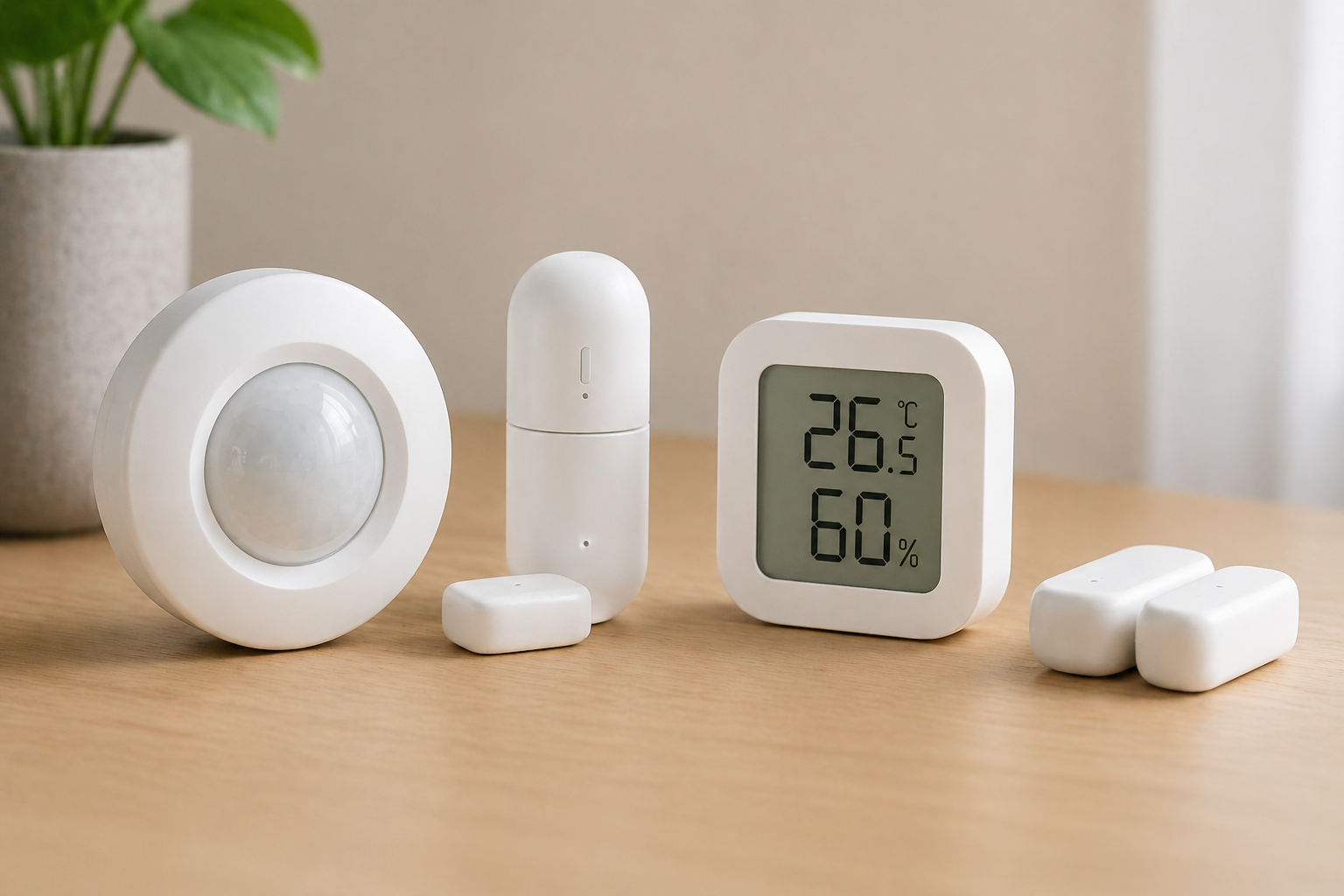
IoT Sensor Devices
IoT sensor devices often need compact internal space planning for sensors, batteries, PCB modules, and housing openings.
- Sensor opening position
- Battery and PCB space
- Wall-mounting structure
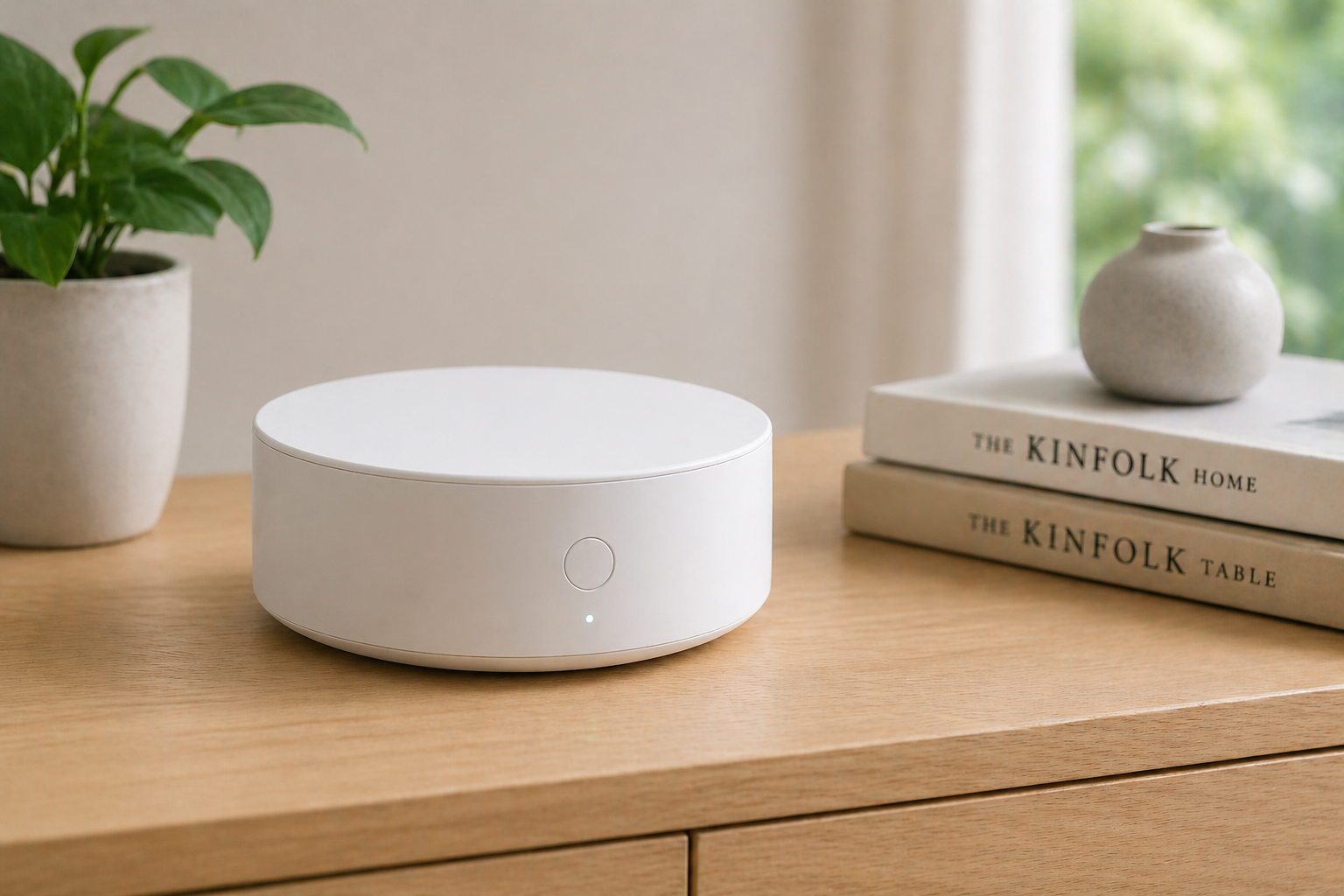
Smart Home Gateways
Smart home gateways need stable internal module fixing, practical port layout, and enough clearance for wireless communication inside the enclosure.
- Antenna clearance
- Heat dissipation space
- Connector and port layout
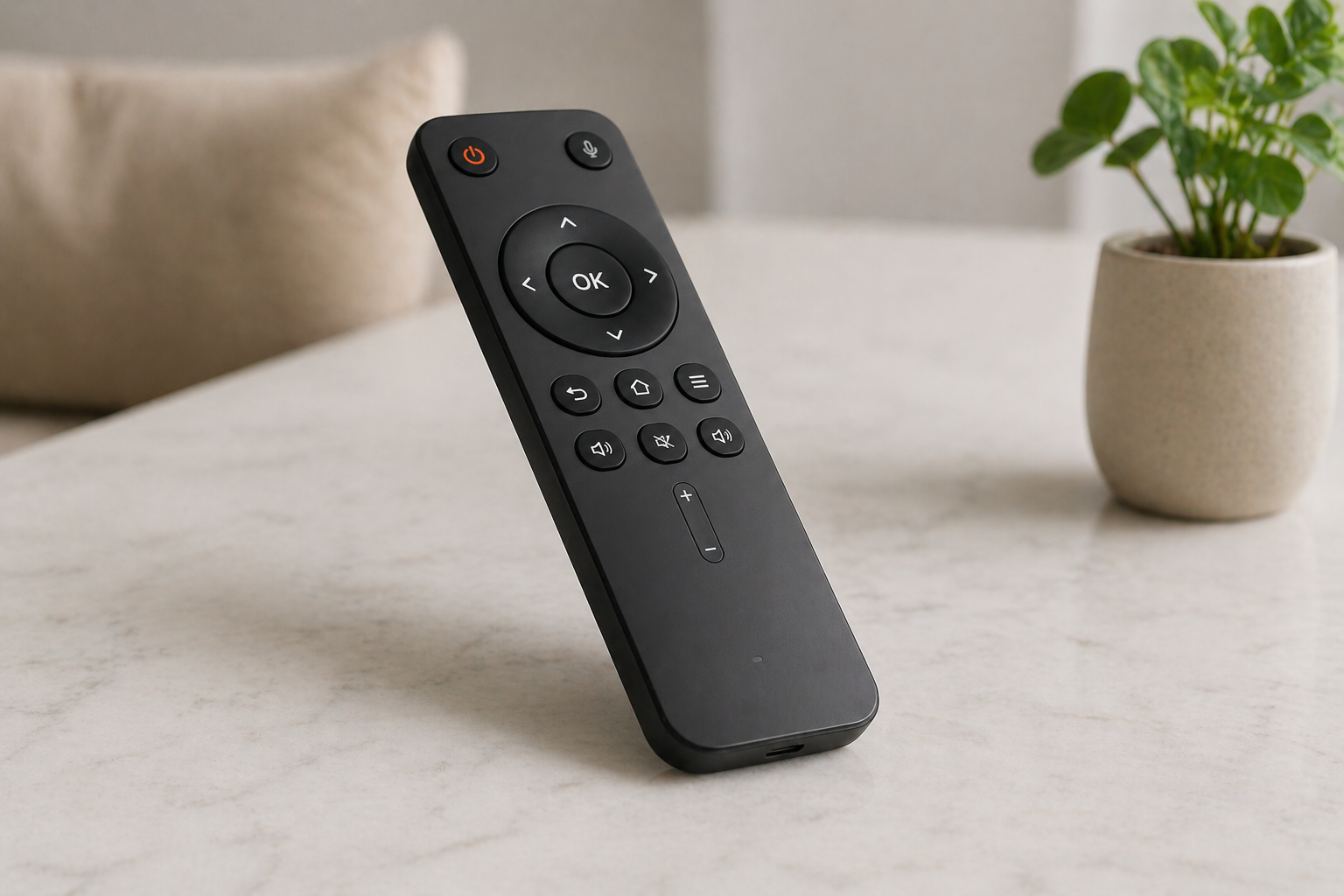
Remote Controls & Handheld Devices
Handheld smart devices need reliable button response, comfortable housing structure, and stable fit for battery-related components during assembly.
- Button travel
- Battery cover fit
- Handheld structure
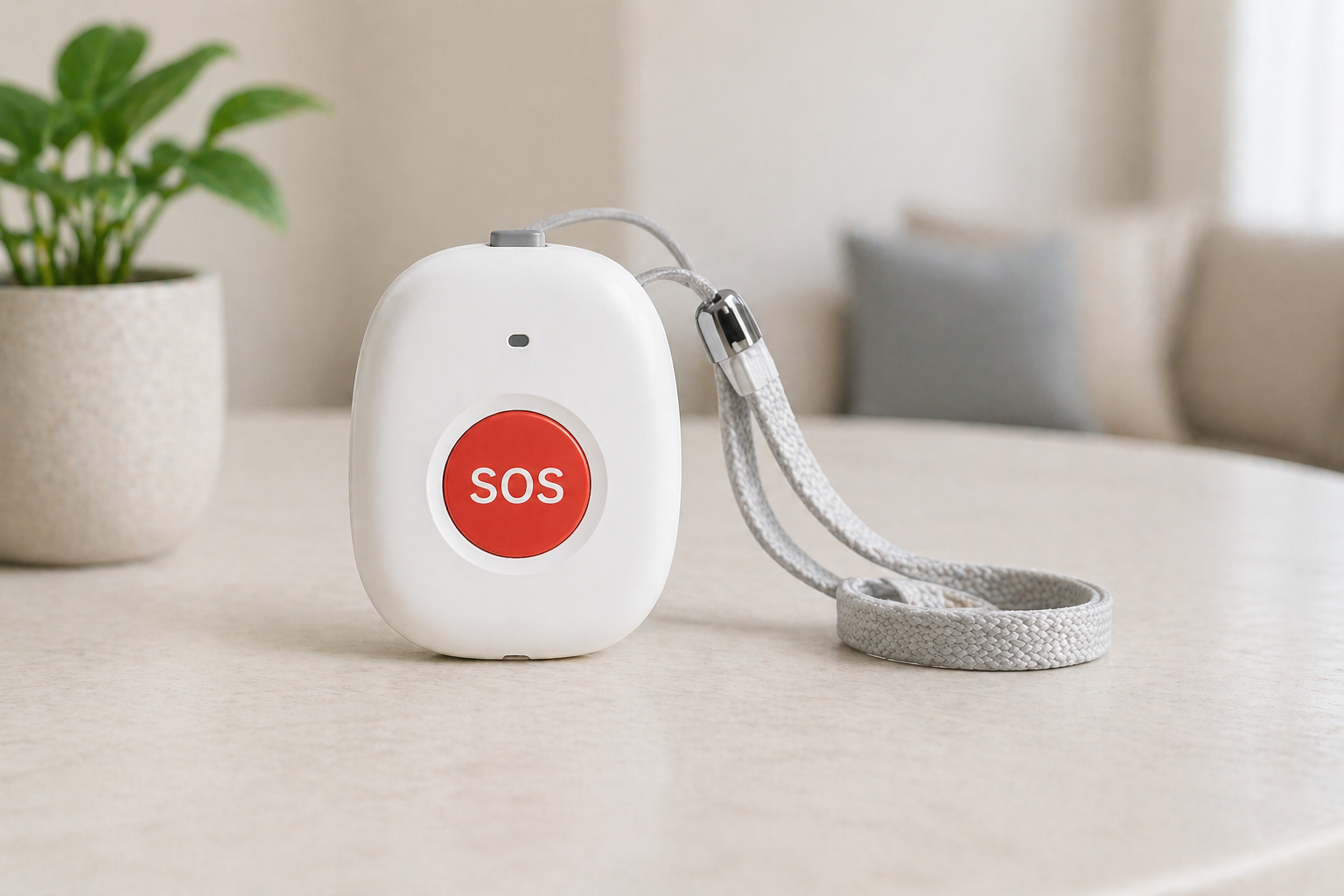
Emergency Alert Devices
Emergency alert devices need clear button response, visible indicators, and reliable function confirmation before final product release.
- Alarm button response
- Speaker opening
- Final function check
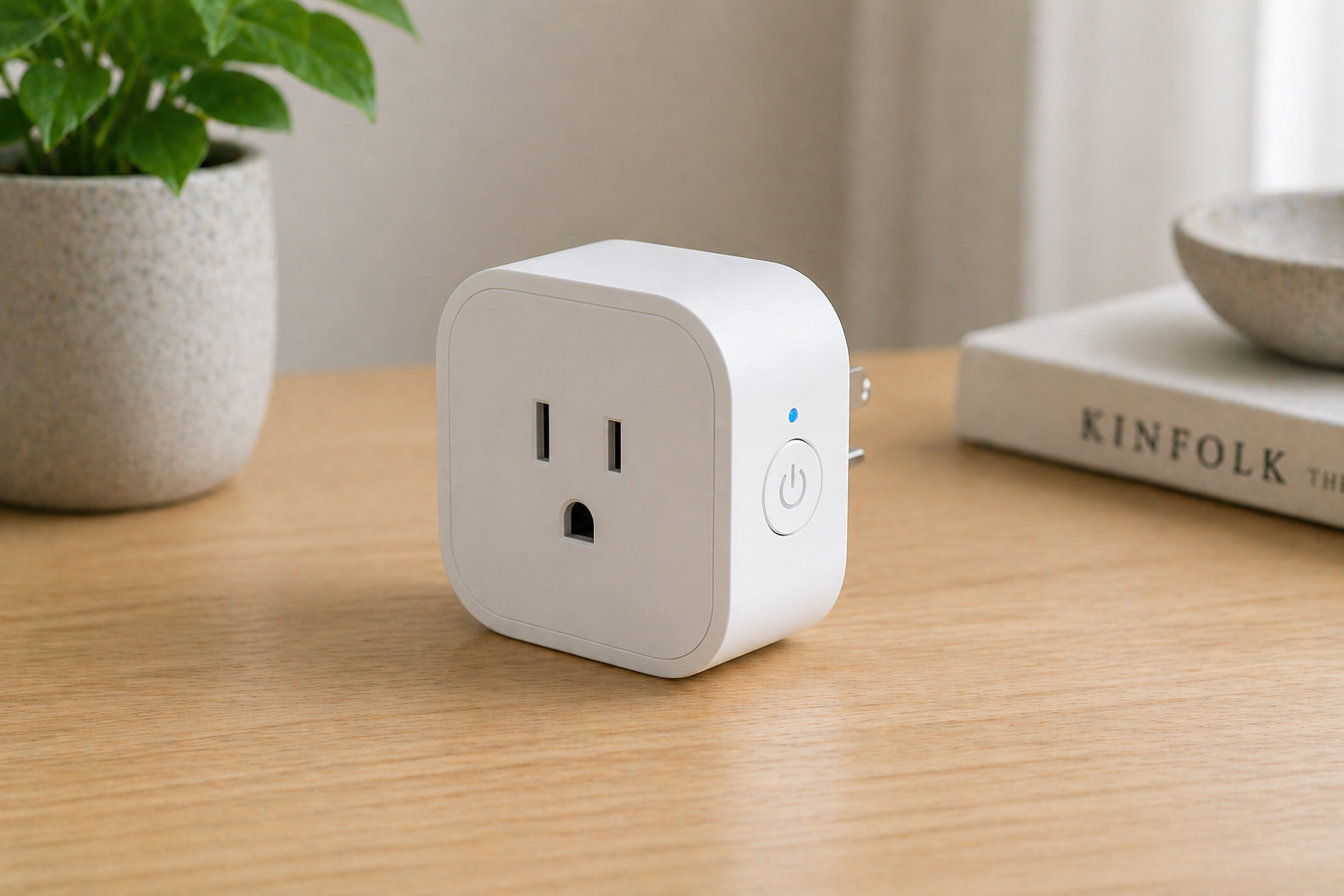
Wireless Communication Devices
Wireless communication products need careful review of antenna position, internal module support, and enclosure-related signal considerations.
- Signal area
- Internal module fixing
- Housing material impact
Smart Home Design & Manufacturing Review Points
Before production, smart home electronics need the product structure, electronic layout, user interface, wireless area, and assembly method to be reviewed together before manufacturing.
Housing Fit
- Internal space and PCB position
- Battery area and mounting points
- Screw bosses and enclosure structure
Interface Alignment
- Buttons and touch areas
- LED and display window position
- Ports and sensor openings
Wireless Layout
- Antenna clearance
- Module position and connector direction
- Signal-related structure review
Production Readiness
- Assembly sequence
- Test access before product closure
- Cable routing and repeatable build
Functional Testing for Smart Home Devices
Smart home products may require different testing steps depending on their functions. Cindy Mould can support function-based checks according to approved test requirements, helping confirm product response, interface feedback, signal status, and final assembly readiness.
Power &
Response Check
- Power-on status
- Basic response
- Standby behavior
Button / Touch /
Indicator Check
- Button travel
- Touch feedback
- LED or display status
Sensor / Signal
Response Check
- Sensor trigger
- Pairing or communication status
- Alarm or speaker output
Final Product
Readiness Check
- Housing closure
- Appearance and labeling
- Accessories and packaging