What Can You Validate
Before Production?
Rapid prototyping helps your team check key design risks before tooling or mass production.
Validate structure, PCB fit, assembly method, and basic product function before moving forward.
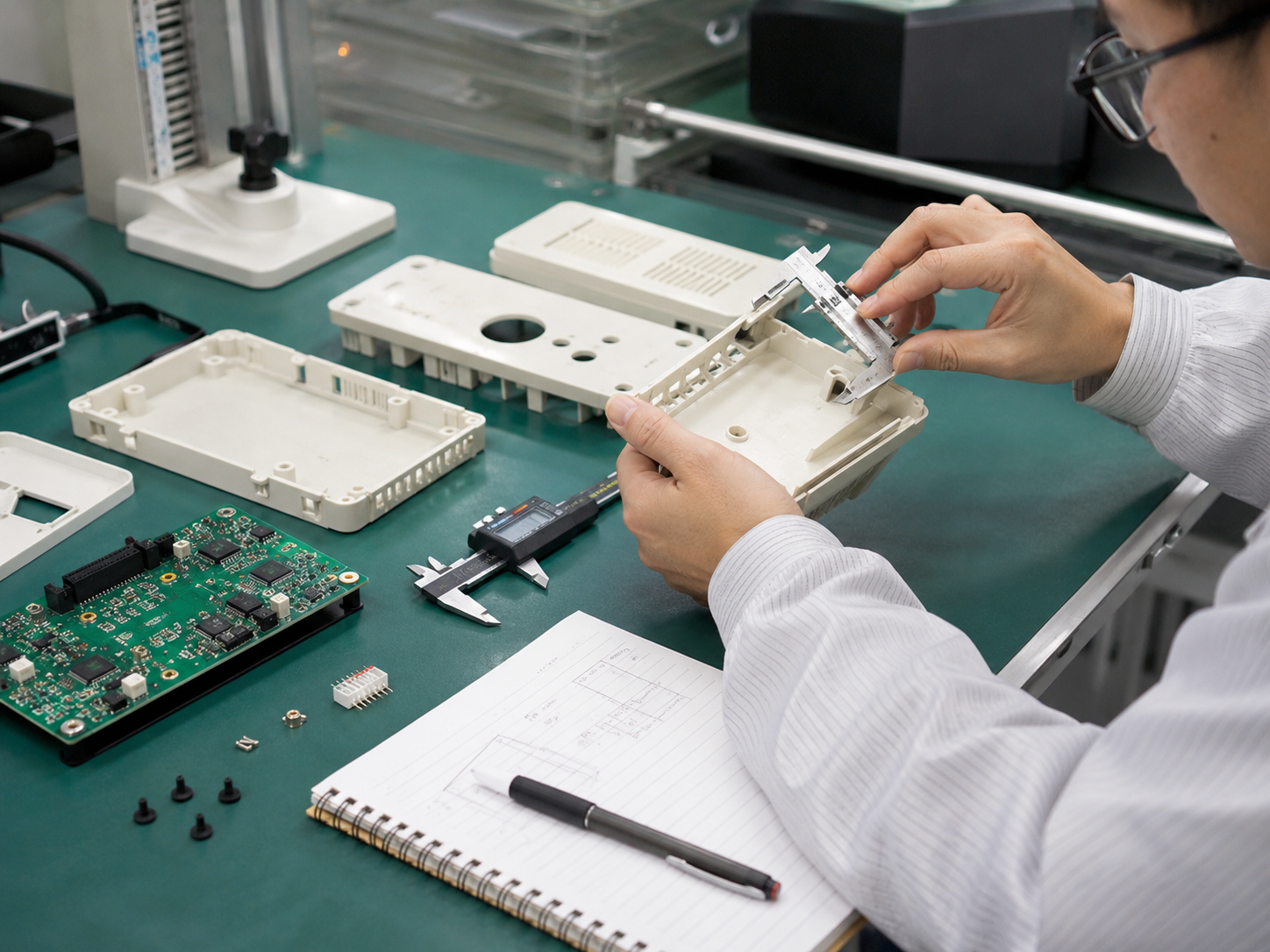
Structure & Dimension
- Enclosure size and layout
- Wall thickness and screw posts
- Internal space and structure feasibility
PCB & Component Fit
- PCB position inside the enclosure
- Connector, button, and display clearance
- Wiring space and component layout
Assembly Feasibility
- Fixing method and opening direction
- Repair access and production handling
- Assembly sequence and fit review
Functional Testing
- Basic function check
- Operation feel and fit verification
- User experience before production
Rapid Prototyping Services We Support
From electronics to enclosure and assembly, CINDY MOULD provides prototyping solutions to help validate design, fit, and function before production.
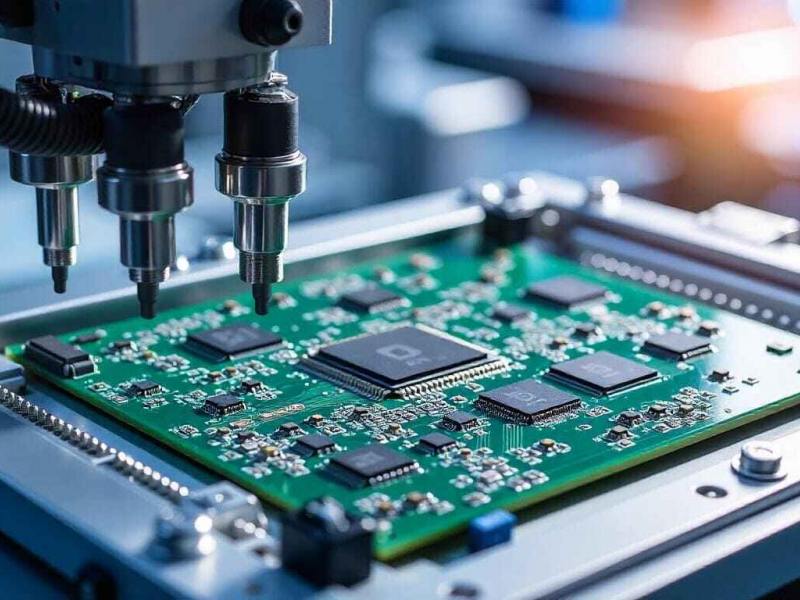
PCB Prototyping
For circuit function, component layout, and early electronics validation.
- PCB samples and SMT assembly
- Component sourcing support
- Connector position check
- Basic power-on testing
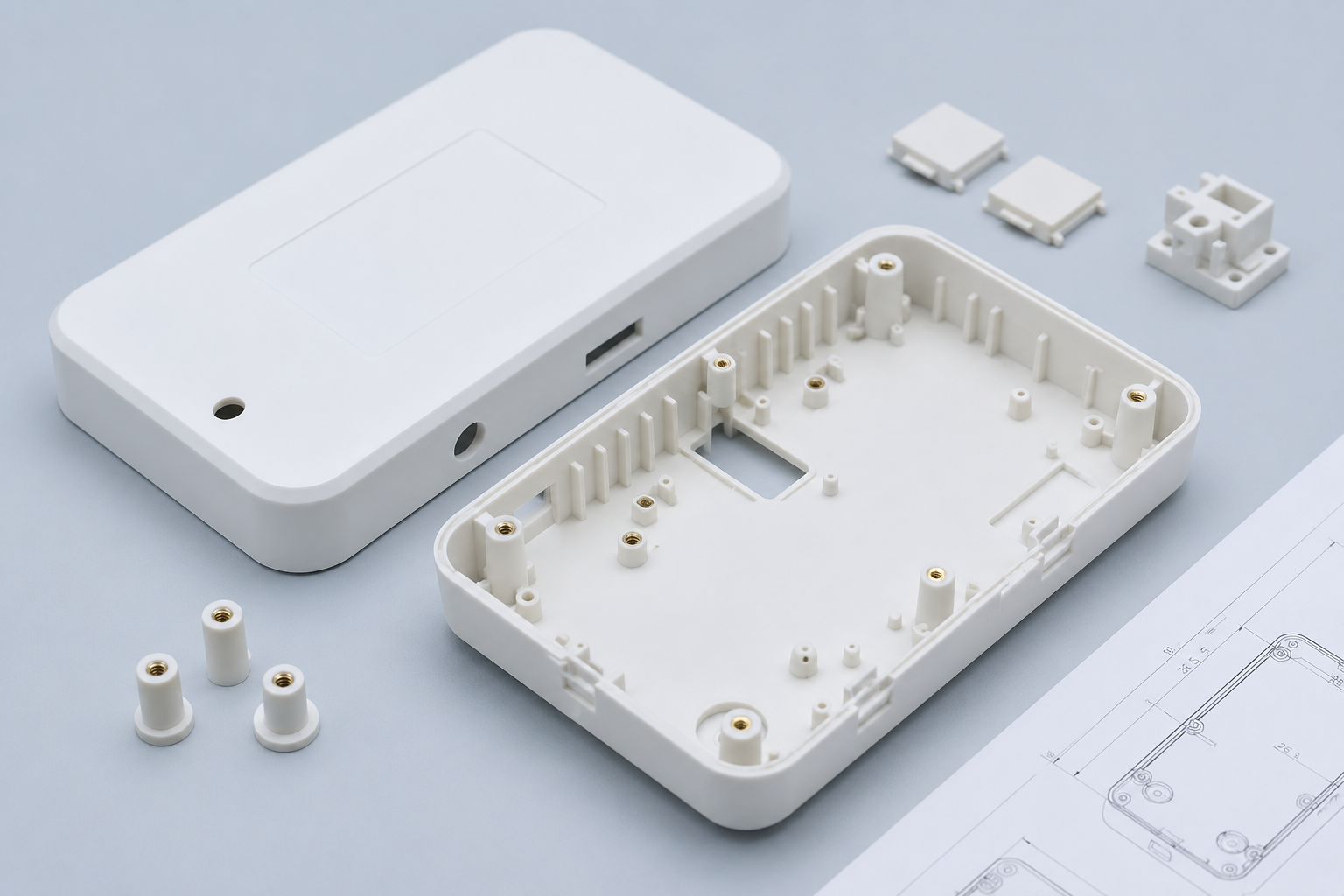
Enclosure Prototype
For structure, appearance, and assembly fit before mold making.
- 3D printed or CNC samples
- Screw posts and wall thickness
- Fit check with PCB and cables
- Design adjustment before tooling
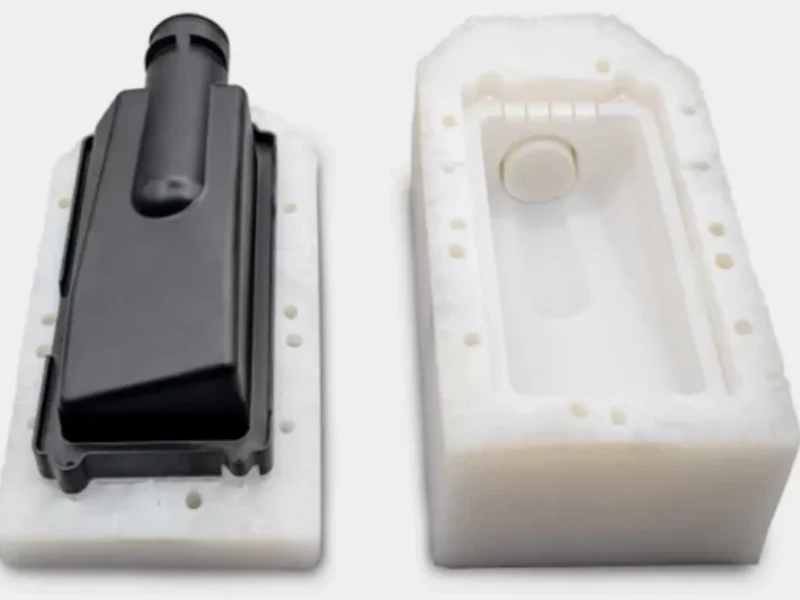
Vacuum Casting
High-quality samples for low-volume prototype production.
- 10–100 pcs low-volume runs
- Replicates molded parts
- Fast delivery in 5–7 days
- Appearance and fit validation

Prototype Assembly & Testing
For checking how all parts work together as a final product.
- PCB, enclosure, wiring assembly
- Fit and handling review
- Basic function checks
- Feedback before production
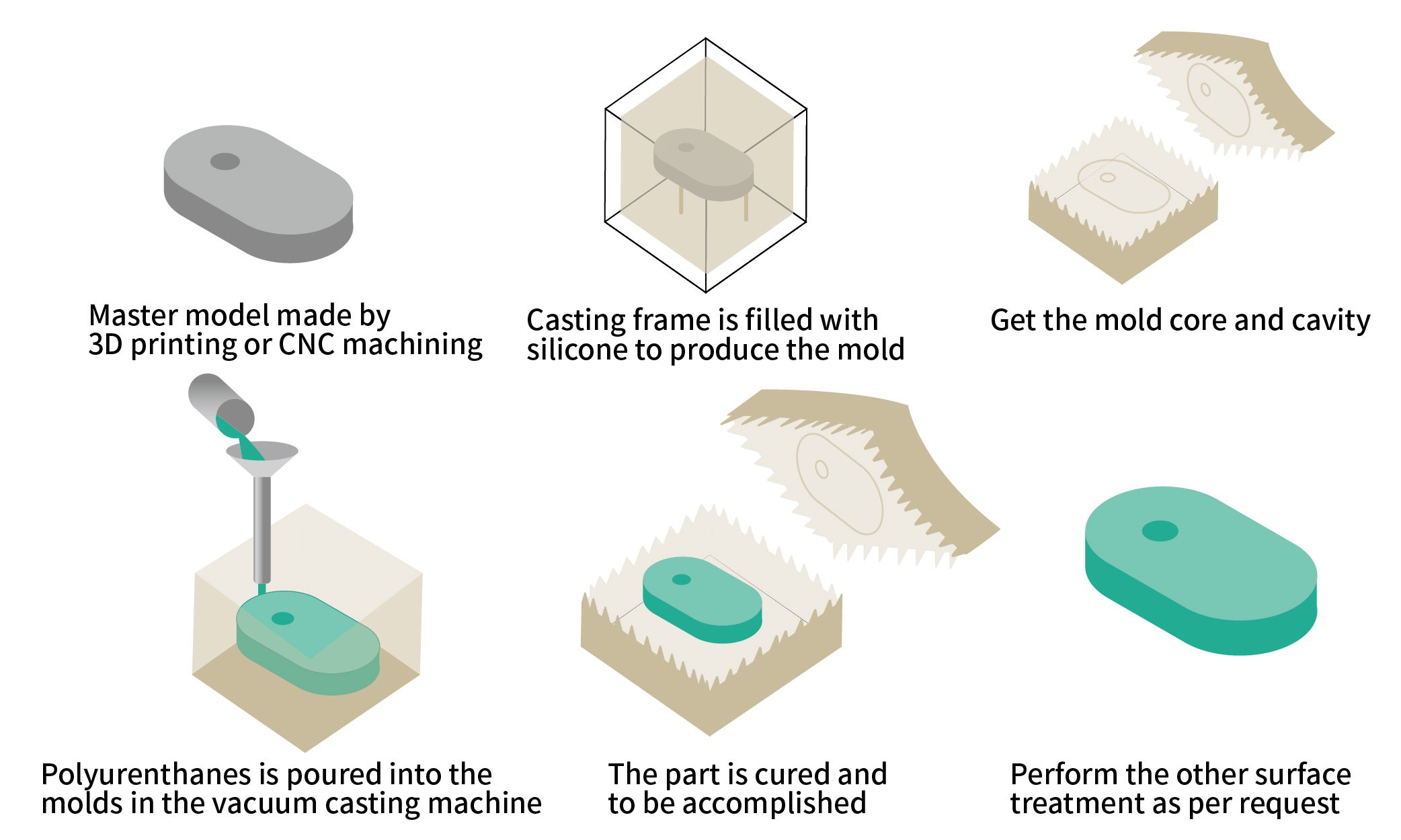
Vacuum Casting
Vacuum casting uses a silicone mold under vacuum to cast polyurethane or ABS-like resins. It is ideal for low-volume prototype production and can closely replicate injection-molded parts.
Prototypes can be delivered within 5–7 days, suitable for low-volume production from 10 to 100 pcs.
Applications:
- Plastic enclosures for electronics and consumer products
- Transparent or colored resin components
- Assembly verification and functional testing
Key Benefits:
Replicates injection-molded surface finish and detail.
No need for expensive steel molds.
Compatible with painting, plating, and silk-screen printing.
Vacuum Casting Process
From Prototype to Production
A prototype is only valuable when it leads to the right manufacturing decision.
CINDY MOULD helps you move from sample review to tooling, assembly, and production
with less risk, fewer changes, and a smoother path to market.
Prototype
Review
Evaluate design, fit, and function with prototype samples.
- Review structure, PCB fit, and appearance
- Check basic function and assembly feasibility
- Identify issues before tooling investment
Design Adjustment
Improve the design based on prototype feedback.
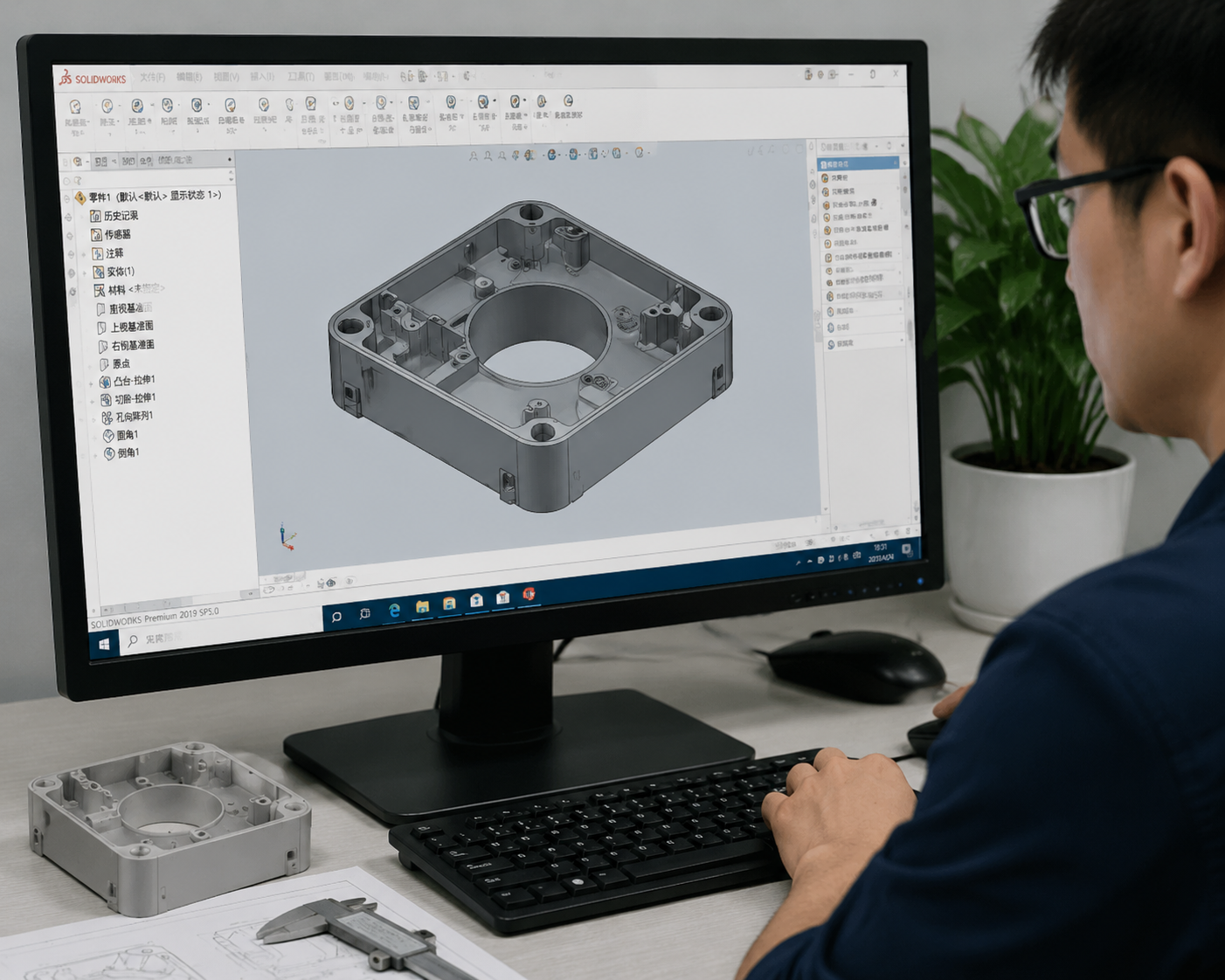
- Optimize enclosure details and internal space
- Adjust PCB position, connectors, or wiring
- Confirm changes before the next sample or tooling
Tooling &
Production Decision
Decide whether the product is ready for mold making or trial production.
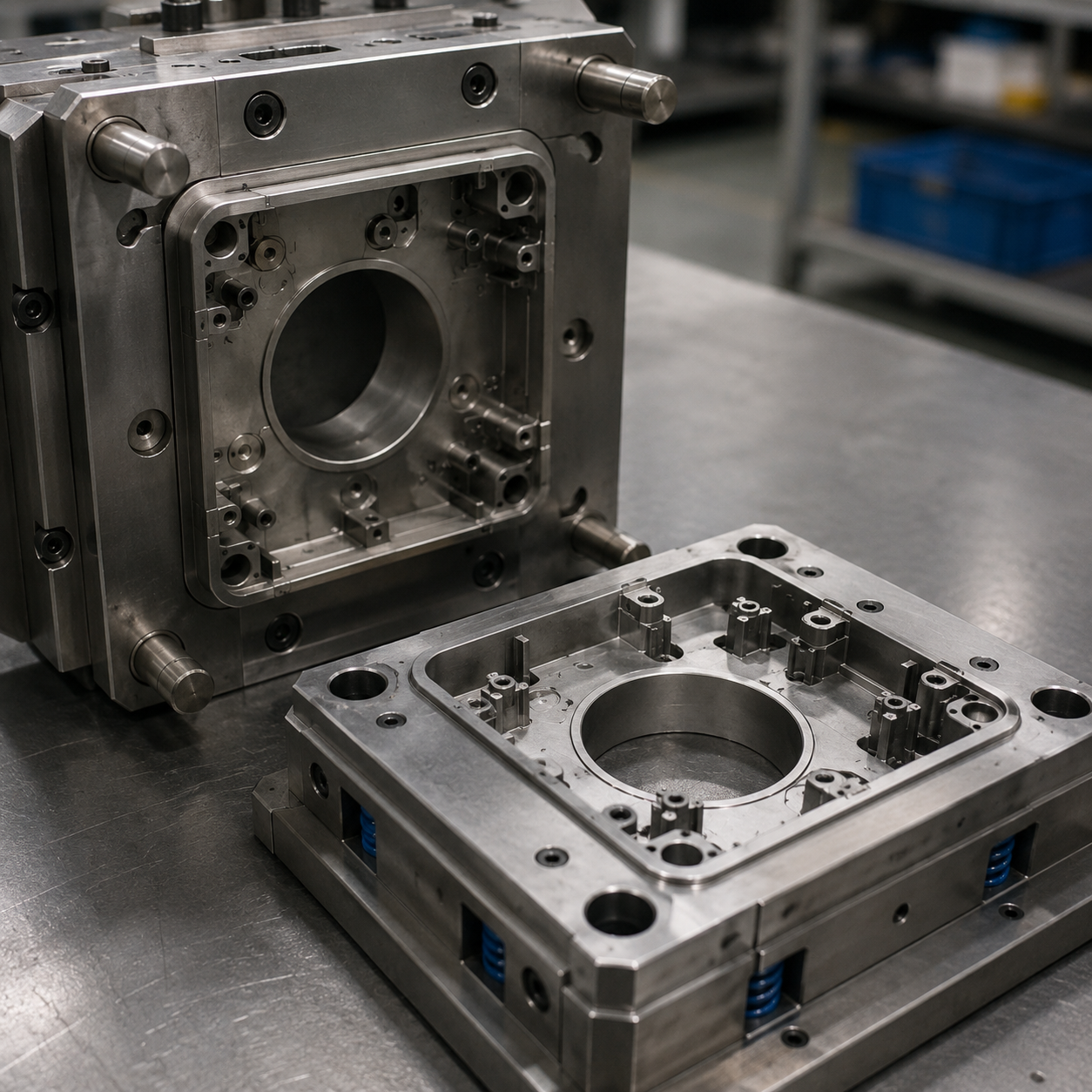
- Confirm final structure and manufacturing direction
- Prepare for injection mold making or low-volume runs
- Reduce modification risks after tooling starts
Production
Preparation
Move from validated prototype to assembly and shipment planning.
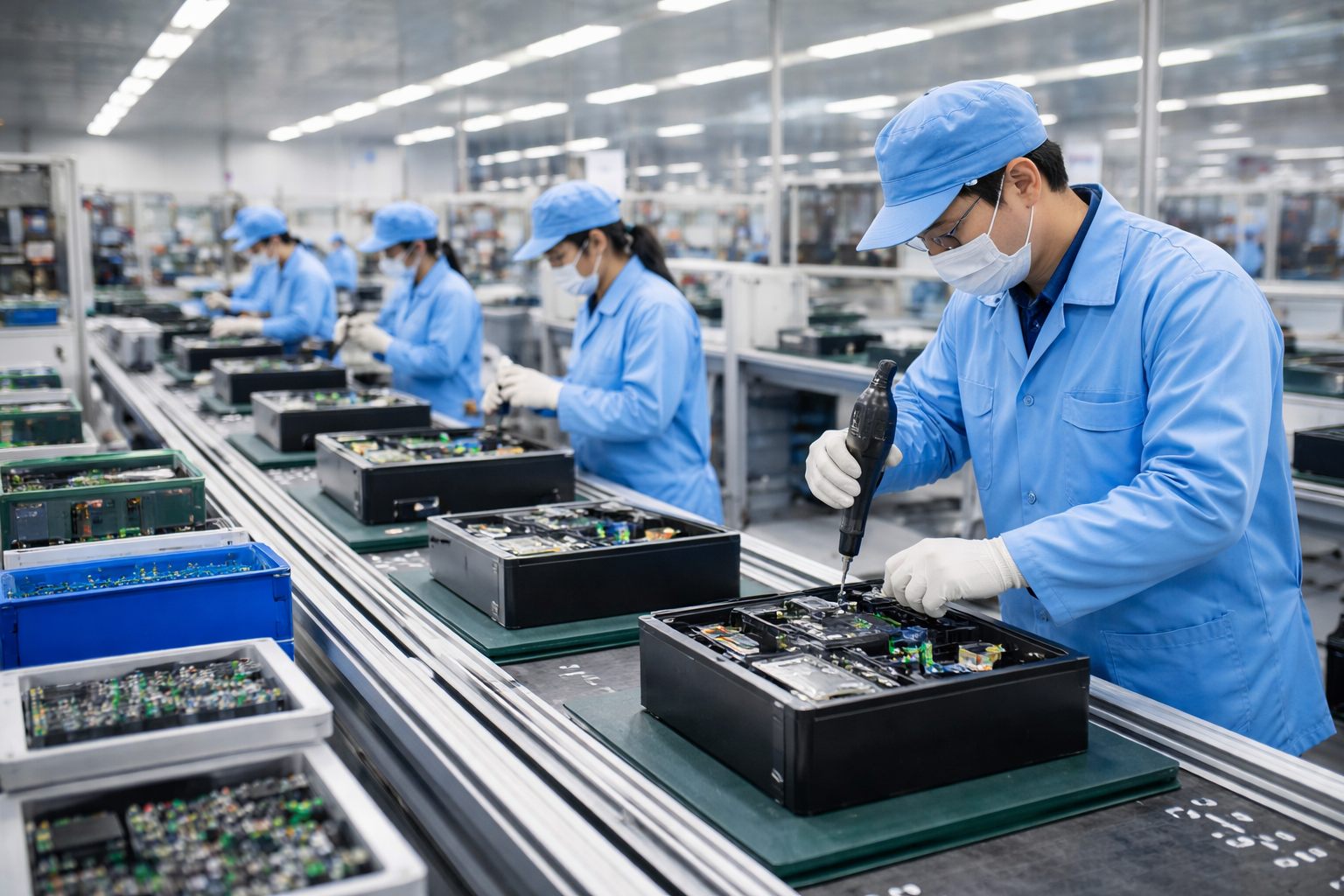
- Plan PCB assembly, product assembly, and testing
- Review packaging and delivery requirements
- Prepare a smoother path to mass production