
✍️ Introduction
PCB assembly vs box build is a common comparison in electronics manufacturing. Many companies focus heavily on PCB assembly while underestimating the complexity and impact of box build assembly.
However, in reality, a significant portion of product cost, assembly risk, and long-term reliability is determined at the box build assembly stage, where many hidden costs and risks are introduced.
What exactly is the difference between PCB assembly and box build assembly? And more importantly, when should you choose one over the other?
In this guide, we break down the key differences, cost implications, and practical scenarios to help you make the right decision for your project.
📚 What Is PCB Assembly?
PCB assembly (PCBA) is the process of soldering electronic components onto a printed circuit board. According to IPC standards, PCB assembly involves precise soldering, inspection, and quality control processes to ensure product reliability. It is a crucial step in creating the “brain” of any electronic product. Without a properly assembled PCB, the entire product cannot function correctly. To understand the entire PCB assembly process in more detail, check out our comprehensive guide on PCB assembly and the various methods involved.
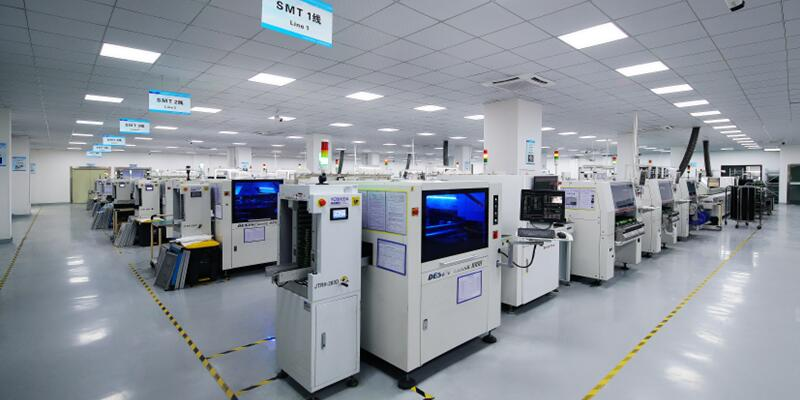
The Process of PCB assembly Includes:
- Surface Mount Technology (SMT): Small components are placed on the surface of the board.
- Through-Hole Technology (THT): Larger components are inserted through holes in the PCB.
- Reflow Soldering: The board passes through a reflow oven, where solder paste melts to join the components.
- Inspection and Testing: Automated Optical Inspection (AOI) and X-ray ensure that the components are correctly soldered and functioning.
PCB assembly is a standardized process, and the cost is primarily driven by:
- Component cost: The type and number of components used.
- Labor cost: For the assembly and testing process.
- Testing: Any form of inspection or testing to ensure functionality.
The result of PCB assembly is a functional circuit board that performs specific electronic functions. However, at this stage, the product is not yet complete. It still needs to be integrated into a housing and connected with other components.
📦 What Is Box Build Assembly?
Box build assembly, also known as system integration, is the process of assembling the complete product after the PCB assembly is finished. To learn more about the box build assembly process, check out our detailed guide on box build assembly, where we dive into the steps, challenges, and quality control involved in the process.
This process involves integrating the PCB into a final system that includes mechanical and electrical components, such as enclosures, wiring, and connectors.
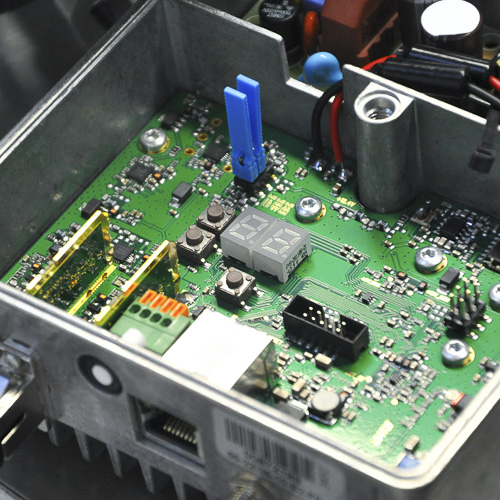
Key Stages of Box build assembly:
- Installing PCBs into enclosures
- Cable and wire harness assembly
- Connector and interface integration
- Mechanical fastening and structural assembly
- Final product testing
In simple terms, PCB assembly builds the “brain” of the product, while box build assembly creates the final usable device. Box build assembly ensures that all components in the product, including electronics and mechanical parts, are integrated and working as a system.
🔍 Key Differences Between PCB Assembly vs Box Build
Although both processes are part of electronics manufacturing, their scope and purpose are very different. The major differences lie in the integration of components, complexity, and cost.
📊 Comparison Table
| Aspect | PCB Assembly | Box Build Assembly |
|---|---|---|
| Scope | Circuit board level | Complete product system |
| Process | Component soldering | Mechanical + electrical integration |
| Output | PCBA board | Finished product |
| Complexity | Relatively standardized | Highly variable and customized |
| Labor | Mostly automated | More manual work involved |
| Testing | Board-level testing | Full system testing |
🧠 Key Differences Explained
1. Scope and Responsibility
PCB assembly focuses solely on the electronic circuit, ensuring that the components are soldered correctly and the PCB performs its function. However, it is only part of the product. The final product still needs to be assembled with connectors, cables, mechanical parts, and undergo system testing, which is handled in box build assembly.
2. Process Complexity
PCB assembly is a relatively straightforward process with standardized methods. Box build assembly, however, is far more complex. It requires the integration of various components—such as PCBs, enclosures, wiring, and connectors—into a final product. The process often involves both manual and automated work and can vary significantly based on product design and specifications.
3. Level of Integration
PCB assembly deals with individual electronic components and focuses solely on making the circuit functional. Box build assembly integrates these electronic components into a fully functioning product, which requires consideration of electrical, mechanical, and system-level integration. This step ensures the final product is reliable and performs its intended tasks.
4. Production Flexibility
PCB assembly is generally easier to scale up due to automation, which allows for high-volume production. Box build assembly often involves more manual work, especially when integrating different components and ensuring that they fit together properly. As a result, box build assembly is more flexible but less predictable in terms of cost and labor.
🧠 Real-World Scenario: PCB vs Box Build in Production
In real production environments, the difference between PCB assembly and box build assembly becomes much more evident.
For example, a PCB may pass all electrical tests during PCB assembly, but issues can still arise after integration. Common problems include connector misalignment, cable stress, insufficient space for routing, and thermal constraints inside the enclosure.
These issues are not caused by PCB defects, but by system integration challenges handled during box build assembly.
In one real-world case, a product required manual cable adjustments during assembly because routing was not considered in design. This increased production time and caused inconsistent quality across batches.
This highlights a key point:
👉 PCB assembly ensures functionality,
👉 but box build assembly ensures real-world usability.
🧭 When to Choose PCB Assembly
PCB assembly is the right choice when your focus is on building the electronic core of the product. This is ideal for projects that require the creation of printed circuit boards for standalone products or for use in larger systems.
Typical Scenarios for PCB Assembly:
- Early-stage product development
- Prototype builds for testing
- Module-level production
- Products where final assembly is handled separately
For example, if you are developing a product that only requires the circuit board to be assembled and not the entire system, PCB assembly will suffice. It is also a suitable choice for companies that handle the enclosure and final product assembly internally.
🧭 When to Choose Box Build Assembly
Box build assembly is necessary when the product must be assembled into a complete, functional system. If your project requires a finished product, box build assembly ensures that all components are integrated and tested to work together seamlessly.
Typical Scenarios for Box Build Assembly:
- Complete product manufacturing
- Mass production
- Outsourcing full system integration
- Reducing supply chain complexity
Box build assembly is ideal when you want to simplify the production process by working with a single supplier for the entire product. This helps minimize the need for managing multiple suppliers and reduces the risk of errors during integration.
💰 Cost Differences Between PCB Assembly and Box Build
Cost is a significant factor when choosing between PCB assembly and box build assembly. While both processes have their costs, box build assembly typically involves more complexity and higher costs.
PCB Assembly Cost
The cost of PCB assembly is primarily driven by:
- Component cost: The price of individual components like resistors, capacitors, and ICs.
- Labor cost: The time and effort required to assemble the circuit board.
- Testing: The cost associated with inspecting the board to ensure it functions as expected.
Generally, PCB assembly costs are more predictable and scale well with higher volumes. As a result, the cost per unit tends to decrease with larger production runs.
Box Build Assembly Cost
Box build assembly incurs additional costs due to:
- Manual labor: For cable routing, assembly, and mechanical integration.
- System integration: Ensuring all components, including mechanical and electrical parts, fit together and function as a complete system.
- Final testing: System-level testing to ensure the final product operates as intended.
- Logistics and coordination: Managing multiple components and suppliers for a fully integrated system.
Because of these additional factors, box build assembly is usually more expensive than PCB assembly, but it can offer cost savings by reducing the number of suppliers involved and improving overall product quality. For a deeper understanding of box build assembly cost, check out our box build assembly cost guide.
⚠️ Common Mistakes When Choosing
Many buyers make mistakes when choosing between PCB assembly and box build assembly. These mistakes can lead to higher costs, longer lead times, and product quality issues.
❌ 1. Focusing Only on Unit Cost
Focusing solely on unit cost for PCB assembly can lead to higher costs in the long run, particularly if you have to deal with the complexities of system integration and assembly later in the process.
❌ 2. Ignoring Integration Complexity
For complex products, it’s essential to account for the system integration process from the beginning. Ignoring this complexity can lead to costly rework and delays during production.
❌ 3. Using Multiple Suppliers
Working with separate suppliers for PCB assembly and final assembly increases coordination efforts and delays. It also increases the risk of errors and reduces quality control.
❌ 4. Underestimating Testing Requirements
Skipping or underestimating system-level testing can result in functional problems with the final product, which could harm customer satisfaction and increase warranty costs.
🧠 How Your Decision Impacts Long-Term Production
Choosing between PCB assembly and box build assembly is not only a short-term cost decision, but also a long-term production strategy.
While PCB assembly may appear cheaper initially, managing separate suppliers for final assembly can increase coordination effort and risk.
Box build assembly, on the other hand, consolidates production into a single workflow, improving efficiency and consistency.
For products entering mass production, this integrated approach often results in:
- Fewer defects
- More stable delivery
- Better product consistency
⭐ Advantages of Box Build Assembly
One key advantage of box build assembly is full system control.
Instead of managing multiple vendors, companies can rely on a single partner to handle:
- Assembly
- Integration
- Testing
This reduces communication gaps and improves overall product quality.
📋 FAQ About Box Build vs PCB Assembly
What is the main difference between PCB assembly and box build assembly?
PCB assembly builds the circuit board, while box build assembly creates the complete product.
Is box build assembly more expensive?
Yes, but it can reduce total cost by improving efficiency and reducing errors.
Can I use different suppliers?
Yes, but it increases coordination complexity and risk.
When should I switch to box build assembly?
When moving from prototype to mass production.
📋 How to Choose the Right Option
Choosing between PCB assembly and box build assembly depends on your project requirements. Here’s a quick guide to help you decide which option is best for you.
Choose PCB Assembly if:
- You need only the circuit board
- You handle final assembly in-house
- You are in the prototype or testing phase
Choose Box Build Assembly if:
- You need a complete product
- You want to consolidate assembly with a single supplier
- You require full system integration and testing
✅ Conclusion
Box build assembly and PCB assembly serve different roles in electronics manufacturing. While PCB assembly focuses on the electronic core, box build assembly creates the final, usable product.
Understanding the differences between these two processes can help you make more informed decisions, control costs, and reduce production risks.
👉 If you are looking for a reliable partner for PCB assembly or full box build assembly, CINDY Mould provides end-to-end manufacturing solutions tailored to your project needs.