
Introduction
The PCB assembly process is a critical stage in electronics manufacturing where electronic components are mounted onto printed circuit boards to create functional products.
Even when materials and designs meet specifications, defects such as soldering issues, misalignment, or unstable performance can still occur during assembly, especially when variations in upstream processes such as solder paste printing are not identified early. In most cases, these problems originate from variations within the PCB assembly process.
Understanding the PCB assembly process step by step helps manufacturers improve product quality, reduce defects, and ensure stable mass production.
What Is PCB Assembly?
PCB assembly is the process of placing and soldering electronic components onto a bare PCB to create a fully functional circuit board.
This process involves multiple stages, including solder paste printing, component placement, reflow soldering, inspection, and testing. Each stage plays a critical role in determining final product reliability.
PCB Assembly Process Steps
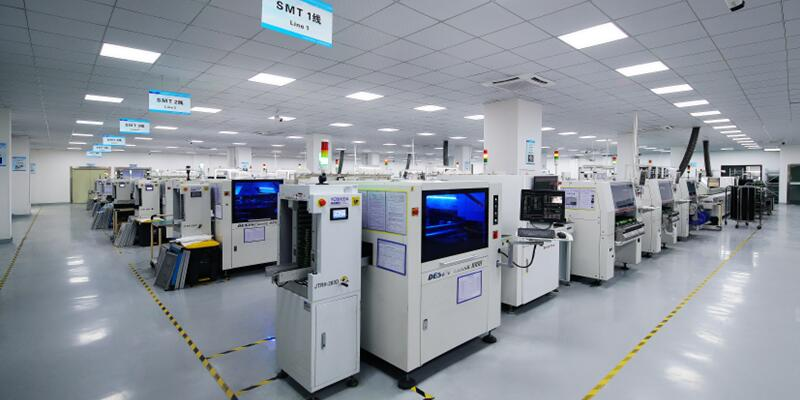
The PCB assembly process follows a structured sequence to ensure consistency and quality across production batches.
1. Incoming Material Inspection (IQC)
Before assembly begins, all materials must pass incoming quality control.
This includes:
- Bare PCBs
- Electronic components
- Solder paste and auxiliary materials
IQC ensures that materials meet required specifications before production. Poor material quality can lead to defects that propagate throughout the entire process.
2. Solder Paste Printing
Solder paste is applied to the PCB using a stencil.
Key factors include:
- Paste volume consistency
- Stencil alignment accuracy
- Printing precision
Variations at this stage can lead to insufficient solder, bridging, or weak joints. Environmental conditions such as temperature and humidity also affect performance.
For more details, see solder paste printing.
3. Component Placement (Pick and Place)
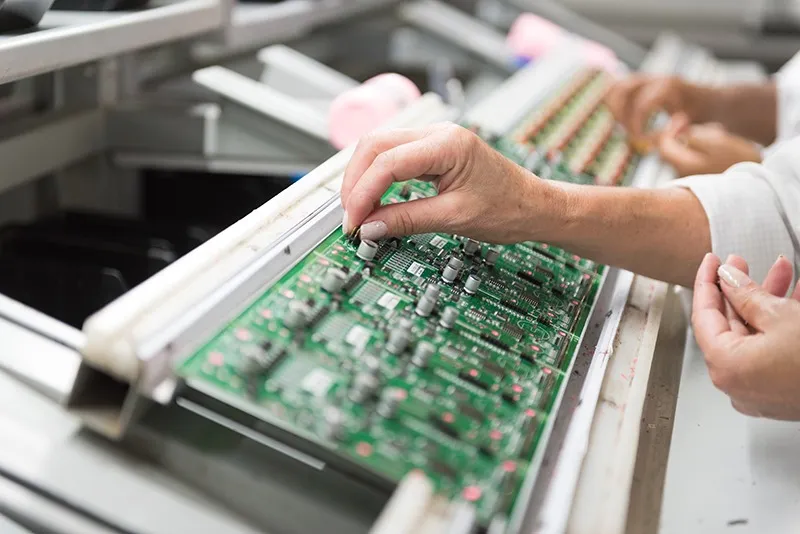
Automated machines place components onto the PCB with high precision.
Critical factors include:
- Placement accuracy
- Component orientation
- Equipment calibration
Even minor misalignment can affect electrical performance and long-term reliability.
4. Reflow Soldering
During reflow soldering, the PCB passes through a temperature-controlled oven where solder paste melts and forms electrical connections.
Key controls include:
- Temperature profile management
- Heating uniformity
- Cooling rate
Improper settings can cause defects such as cold joints, tombstoning, or component damage.
For more details, see reflow soldering profile.
5. Inspection and Quality Control in PCB Assembly Process
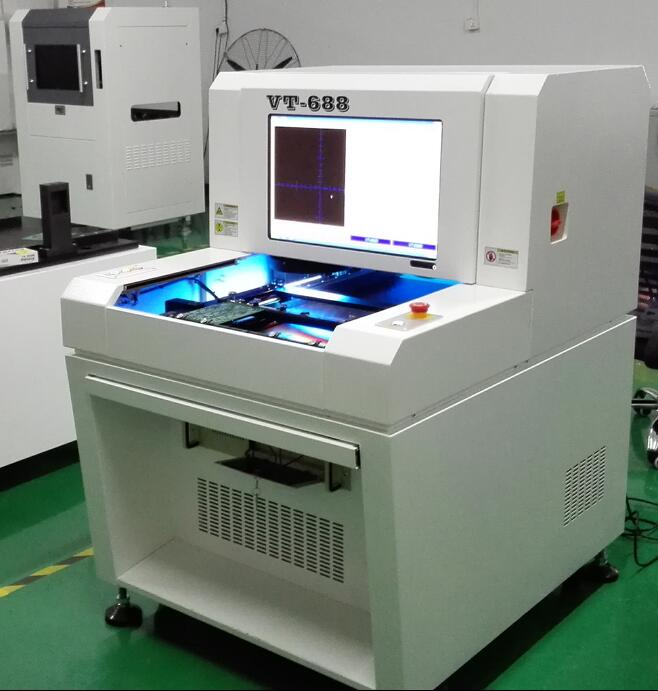
Inspection ensures that defects are detected early.
Common inspection methods include:
- SPI (Solder Paste Inspection)
- AOI (Automated Optical Inspection)
- AXI (X-ray Inspection)
For a deeper understanding, see SMT inspection process.
These practices are guided by IPC standards for electronics manufacturing, which define widely accepted quality and inspection criteria.
6. Through-Hole Assembly (THT)
Some components require through-hole assembly instead of surface mounting.
This includes:
- Manual or automated insertion
- Wave soldering or selective soldering
THT is typically used for connectors and components requiring strong mechanical support.
7. Functional Testing
Functional testing in electronics manufacturing verifies that the assembled PCB operates correctly under real conditions.
Testing includes:
- Electrical functionality
- Signal integrity
- Performance validation
This step ensures defects are identified before final integration.
8. Final Assembly and System Integration
PCB assemblies are integrated into complete products during final assembly.
This stage includes:
- Mechanical assembly
- Cable integration
- Enclosure installation
For more details, see box build assembly process.
At this stage, issues such as tolerance mismatch and alignment errors may appear.
Key Factors That Affect PCB Assembly Quality
Even when the PCB assembly process is well defined, several factors can significantly influence product quality.
Process consistency
Variations across printing, placement, and reflow stages can lead to inconsistent results.
Equipment calibration
Uncalibrated machines can cause placement deviation and soldering instability.
Material quality
Low-quality PCBs or components introduce defects that cannot be corrected later.
Environmental control
Temperature and humidity affect solder paste behavior and process stability.
Controlling these factors is essential for maintaining a stable PCB assembly process.
Common Challenges in PCB Assembly
Several common problems can occur during the PCB assembly process:
- Solder paste variation
- Component misalignment
- Reflow temperature instability
- Process inconsistency
These challenges can directly impact production yield in electronics manufacturing, especially during mass production.
Typical PCB Assembly Defects and Causes
Understanding common defects helps identify where process improvements are needed.
Cold solder joints
Caused by insufficient heat or improper reflow profiles.
Solder bridging
Occurs when excessive solder creates unintended connections.
Tombstoning
Small components stand upright due to uneven solder wetting.
Voids in solder joints
Air pockets trapped in solder joints affect performance.
These defects are often linked to variations in solder paste printing, placement, and reflow processes.
Why PCB Assembly Issues Often Appear in Mass Production
Many PCB assembly issues are not obvious during prototype builds but become visible during mass production.
This is because:
- Small process variations accumulate across batches
- Manual adjustments increase inconsistency
- Production speed introduces variability
Understanding these differences helps manufacturers identify risks early and improve process stability.
PCB Assembly Process vs Final Product Performance
The PCB assembly process directly affects the performance of the final product.
For example:
- Poor soldering leads to intermittent failures
- Misalignment affects connector reliability
- Inconsistent processes reduce overall yield
For more details, see box build assembly process.
This highlights the importance of evaluating PCB assembly as part of the entire manufacturing system.
How to Improve PCB Assembly Process Stability
To achieve stable production, manufacturers should focus on:
- Standardized process control
- Regular equipment calibration
- Early-stage inspection
- Coordination between assembly and testing
A stable PCB assembly process depends on how well each stage is controlled and integrated.
How PCB Assembly Connects to Overall Manufacturing Stability
PCB assembly is not an isolated process. Its performance directly affects final assembly, product reliability, and delivery timelines.
When PCB assembly is unstable, it often leads to:
- Increased rework during final assembly
- Delays in production schedules
- Higher failure rates in field use
Improving PCB assembly stability is therefore a key step toward achieving reliable mass production.
Conclusion
The PCB assembly process is a multi-stage workflow that directly affects product quality and production stability.
Each step—from incoming inspection to final testing—plays a critical role in ensuring consistent performance.
Optimizing the PCB assembly process helps reduce defects, improve yield, and support reliable mass production.
FAQ
What is PCB assembly process?
The PCB assembly process involves mounting and soldering components onto a printed circuit board to create a functional electronic circuit.
What are the main steps in PCB assembly?
The main steps include solder paste printing, component placement, reflow soldering, inspection, testing, and final integration.
What causes defects in PCB assembly?
Common causes include solder paste variation, misalignment, improper reflow settings, and insufficient process control.
Next Steps
If your PCB assembly process is experiencing instability, defects, or yield issues, the root cause is often related to process variation across multiple stages.
Evaluating solder paste printing, placement accuracy, reflow control, and testing coverage together can help improve consistency and production efficiency.
👉 Contact CINDY Mould to discuss your project and explore practical manufacturing solutions.