
Introduction
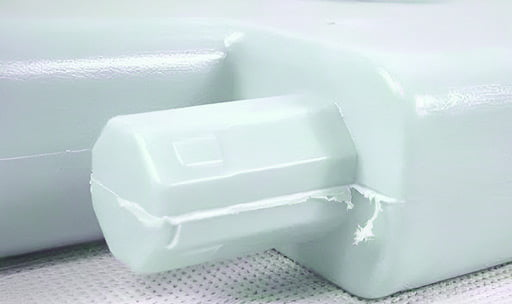
Flash defects in injection molding are one of the most common quality problems encountered in plastic manufacturing. It occurs when molten plastic escapes from the mold cavity and solidifies along the mold parting line or other gaps in the tooling.
Although flash often appears as a thin layer of excess material, it can significantly affect product quality, assembly accuracy, and production efficiency.
In high-volume plastic manufacturing, flash defects usually indicate an imbalance between mold design, machine parameters, and tooling conditions. If flash is not properly controlled, manufacturers may experience:
- Increased trimming operations
- Higher scrap rates
- Longer production cycles
- Reduced manufacturing efficiency
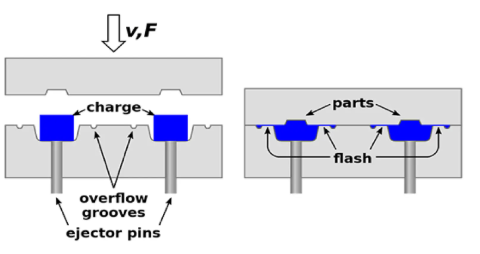
Flash is also widely recognized as one of the most common injection molding defects that occur during plastic manufacturing.
For a broader overview of common manufacturing issues, you can also read our guide on injection molding defects and their impact on production stability.
Understanding the causes of flash helps engineers improve mold performance and maintain stable production.
What Is Flash in Injection Molding
Flash refers to excess plastic material that flows outside the intended mold cavity during the injection molding process.
This unwanted material typically forms along:
- the mold parting line
- ejector pin locations
- slide interfaces
- insert boundaries
During injection molding, molten plastic is injected into the cavity under high pressure. The mold halves must remain tightly closed by the machine’s clamping force.
If the pressure inside the cavity exceeds the clamping force—or if small gaps exist in the mold structure—molten plastic may escape before solidifying.
Once cooled, this excess material forms flash along the edges of the molded part.
Even though flash may look like a small cosmetic defect, it can create serious manufacturing challenges. In precision industries such as automotive or electronics, even minor flash may lead to part rejection.
Common Causes of Flash Defects in Injection Molding
Flash defects usually result from a combination of tooling conditions and processing parameters.
Below are the most common causes observed in injection molding operations.
Excessive Injection Pressure
High injection pressure is one of the primary causes of flash.
During the filling stage, molten plastic must flow quickly enough to fill the entire cavity. However, excessive pressure can force the material through small gaps between mold components.
This leakage creates flash along the mold parting line or other tooling interfaces.
Reducing injection pressure or adjusting packing pressure can often help control this issue.
Insufficient Clamping Force
The injection molding machine must provide enough clamping force to keep the mold halves tightly closed.
If the clamping force is insufficient, the mold may slightly separate during injection. Even microscopic separation can allow molten plastic to escape.
The required clamping force depends on several factors, including:
- projected surface area of the part
- injection pressure level
- number of cavities in the mold
- material viscosity
Ensuring adequate clamping force is essential for preventing flash.
Mold Wear and Tooling Damage
Injection molds operate under high temperature and pressure conditions. Over time, repeated thermal cycling can cause wear along the mold parting line.
When these surfaces become worn, small gaps may develop between mold halves. Molten plastic can escape through these gaps and form flash.
Regular mold inspection and maintenance help detect wear early and prevent flash defects.
Poor Mold Alignment
Improper mold alignment may also cause flash.
If mold halves are not perfectly aligned, uneven contact may occur along the parting line. This creates localized gaps that allow molten plastic to leak out during injection.
Precision machining and careful mold setup are critical to maintaining proper alignment.
Improper Venting Design
Venting channels allow trapped air to escape from the cavity during injection.
However, if vent depth is too large or poorly positioned, molten plastic may flow into the vent channels and form flash.
Proper vent design must balance air evacuation with effective sealing of molten material.
How Mold Design Influences Flash
Mold design has a major impact on flash formation.
A well-designed mold structure helps maintain proper sealing surfaces and stable molding conditions.
Parting Line Design
The parting line is the interface where the two mold halves meet.
If the parting line geometry is complex or poorly designed, maintaining a tight seal becomes difficult during injection.
High-precision machining and surface finishing help ensure proper mold closure.
Insert and Slide Fit
Many injection molds use inserts, slides, and lifters to produce complex part geometries.
If these components are not properly fitted, gaps may form between moving parts.
These gaps can allow molten plastic to escape and create flash defects.
Maintaining tight tolerances between mold components is essential.
Mold Rigidity and Structural Stability
Large molds or multi-cavity molds must remain structurally stable during injection.
High injection pressure may cause slight mold deformation if the mold base lacks rigidity.
Thermal imbalance inside the mold can also increase deformation risk, which is why proper cooling channel layout is critical for maintaining mold stability during injection molding.
This deformation can create temporary separation between mold components and allow flash to form.
Using robust mold base designs helps maintain structural stability.
How to Prevent Flash in Injection Molding
Preventing flash requires a combination of mold design optimization, machine parameter control, and regular maintenance.
Several strategies can help reduce the risk of flash during production.
Optimize Processing Parameters
Adjusting injection pressure, packing pressure, and injection speed can help control material flow.
Reducing excessive pressure while maintaining proper cavity filling helps minimize flash formation.
Ensure Adequate Clamping Force
The injection molding machine must provide sufficient clamping force to keep the mold closed throughout the injection cycle.
Engineers usually calculate required clamping force based on projected part area and injection pressure.
Perform Regular Mold Maintenance
Routine mold inspection helps identify wear or damage early.
Important maintenance practices include:
- cleaning mold surfaces
- repairing worn parting lines
- replacing damaged inserts
- checking mold alignment
Preventive maintenance improves mold reliability and reduces flash defects.
Improve Mold Design Through DFM
Design for Manufacturing (DFM) analysis helps identify potential flash risks before mold production begins.
Engineers can evaluate:
- part geometry
- parting line placement
- venting design
- mold structural integrity
Early design optimization prevents costly modifications later in production.
Conclusion
Flash is a common injection molding defect that can negatively affect product quality and manufacturing efficiency.
Although flash may appear as a thin layer of excess plastic, it often indicates deeper issues related to mold wear, machine parameters, or tooling alignment.
By understanding the root causes of flash, engineers can implement effective solutions such as optimizing injection pressure, improving mold design, and maintaining adequate clamping force.
Through proper mold design, process optimization, and preventive maintenance, manufacturers can significantly reduce flash defects and achieve stable high-volume injection molding production.
Controlling flash defects in injection molding requires proper mold design, balanced processing parameters, and regular mold maintenance.
For additional technical references on injection molding processes and best practices, engineers can also consult resources from the Society of Plastics Engineers (SPE).