
Introduction
Electronics packaging for export shipping plays a critical role in ensuring product protection and delivery reliability. In electronics manufacturing, product quality is not defined only by design, components, or assembly.
For export shipments, the risk is significantly higher. Products may go through long-distance transportation, multiple handling points, container loading and unloading, and varying environmental conditions. Without proper packaging, even well-built products can arrive with hidden defects or visible damage.
In many cases, these issues are not immediately detected. Products may pass incoming inspection but fail later during use, making root cause analysis more complex and costly.
For this reason, packaging should not be treated as a simple logistics step. It is a critical part of product protection, risk control, and delivery reliability in electronics manufacturing, especially when combined with a well-structured final assembly process.
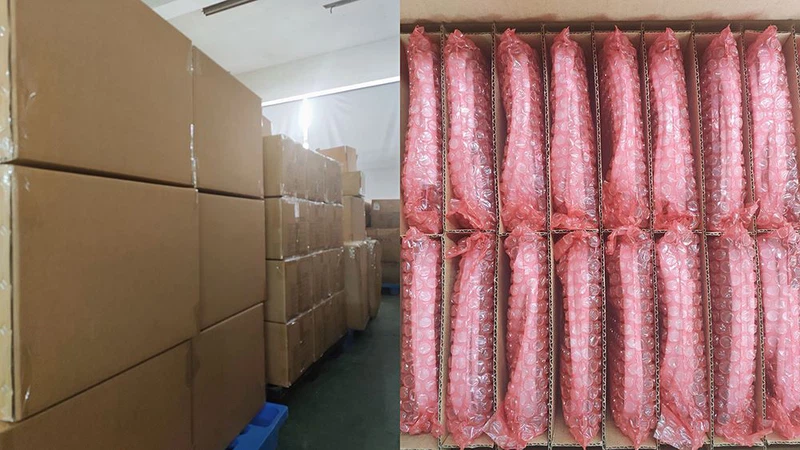
Why Electronics Packaging Matters for Export Shipping
In many projects, packaging is often considered only after production is completed. However, from a manufacturing perspective, packaging should be integrated into the overall quality system.
During export shipping, electronic products are exposed to a range of risks:
- Mechanical shock during handling and drops
- Continuous vibration during long-distance transport
- Compression from stacking in cartons or containers
- Humidity exposure, especially in sea freight
- Electrostatic discharge during handling and storage
These factors can affect both the structural and functional integrity of products.
The impact of inadequate packaging can be summarized as follows:
| Risk Factor | Potential Impact on Product |
|---|---|
| Shock / Impact | Cracked enclosures, loose connectors |
| Vibration | Internal wear, unstable connections |
| Compression | Deformed packaging, structural stress |
| Humidity | Corrosion, material degradation |
| ESD | Damage to sensitive components |
Effective electronics packaging for export shipping helps reduce these risks and ensures products remain stable throughout transportation.
Without proper packaging design, these risks can lead to increased return rates, rework, and customer dissatisfaction.
Key Packaging Objectives for Electronic Products
Effective packaging is not about using excessive materials. It is about applying the right level of protection based on product characteristics and logistics conditions.
Shock Absorption
Products must be protected against drops and handling impacts. This is particularly important for assemblies that include solder joints, connectors, or fragile internal structures.
Vibration Control
During long-distance transportation, continuous vibration can cause micro-movements inside the product. Over time, this may lead to internal failures if components are not properly secured.
Moisture Protection
For export shipments, especially sea freight, humidity control is critical. Moisture can affect both electronic components and packaging materials. Sealed packaging combined with desiccants helps maintain a stable internal environment.
Electrostatic Protection
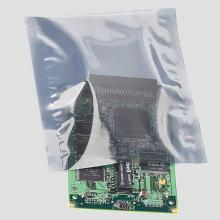
Electronic products are sensitive to electrostatic discharge. Anti-static materials are essential to prevent damage during handling and transportation, as defined in standards such as ANSI/ESD S20.20.
Structural Strength
Outer packaging must withstand stacking pressure and transportation stress. Weak cartons can collapse, reducing the effectiveness of internal protection.
Packaging Design Considerations Based on Product Type
Packaging requirements vary depending on the type of electronic product being shipped. A standardized approach is often insufficient, especially when products differ in structure, sensitivity, or assembly complexity.
For PCB assemblies, protection focuses primarily on electrostatic discharge and surface-level damage. Anti-static materials, proper spacing, and controlled handling are essential to maintain component integrity.
For fully assembled electronic products, including box build assemblies, packaging must account for both external protection and internal stability. Components such as cables, connectors, and mounted parts need to be secured to prevent movement during transportation.
For products with plastic enclosures, surface protection becomes more important. Scratches, deformation, or stress marks can occur if packaging does not properly distribute pressure.
The table below outlines typical packaging priorities based on product type:
| Product Type | Primary Risk | Packaging Focus |
|---|---|---|
| PCB Assembly | ESD, surface damage | Anti-static protection, separation |
| Box Build Product | Internal movement | Fixation, cushioning |
| Enclosed Product | Surface damage | Pressure distribution, protection |
| Sensitive Components | Static, moisture | ESD + moisture control |
By aligning packaging design with product characteristics, manufacturers can improve protection without unnecessary material use.
Common Packaging Methods in Electronics Manufacturing
Different methods are used in electronics packaging for export shipping depending on product sensitivity and shipping conditions.
| Packaging Method | Application | Key Benefit |
|---|---|---|
| Foam Inserts | Securing products | Shock absorption and positioning |
| Anti-static Bags / Trays | PCB and components | ESD protection |
| Moisture Barrier Bags | Export shipping | Humidity control |
| Reinforced Cartons | Outer packaging | Compression resistance |
| Internal Fixation | Box build products | Stability during transit |

Foam inserts are widely used to hold products in place and prevent movement. Custom-designed inserts reduce impact transfer and improve overall protection.
Anti-static packaging is essential for electronic assemblies. Without proper ESD protection, components may be damaged even without visible signs.
Moisture barrier packaging is particularly important for long shipping cycles. Combined with desiccants, it helps control internal humidity levels.
Carton design also plays a critical role. Double-wall or reinforced cartons are often required for export shipments to withstand stacking and handling stress.
For fully assembled products, internal fixation ensures that cables, connectors, and internal components remain stable throughout transportation, particularly in box build assembly projects where multiple subsystems are integrated.
Packaging Considerations Based on Shipping Method
The requirements for electronics packaging for export shipping may vary significantly depending on the transportation method.
Air Freight
Air shipments typically have shorter transit times and lower exposure to humidity. However, products still require protection against handling impacts during loading and unloading.
Sea Freight
Sea freight presents higher risks due to long transit durations and high humidity levels. Moisture protection becomes a primary concern, along with maintaining packaging integrity over time.
Land Transportation
Land transport often involves repeated handling and continuous vibration. Packaging must ensure stability across multiple transfer points.
The following table summarizes key considerations:
| Shipping Method | Key Risk | Packaging Focus |
|---|---|---|
| Air Freight | Handling impact | Shock protection |
| Sea Freight | Humidity + time | Moisture control + durability |
| Land Transport | Vibration | Stability and fixation |
Understanding the full logistics chain is essential. Packaging should be designed based on the entire shipping process, not just a single stage.
How to Validate Packaging Effectiveness Before Shipment
Designing packaging is only part of the process. Validation is necessary to ensure that the packaging performs as expected under real shipping conditions.
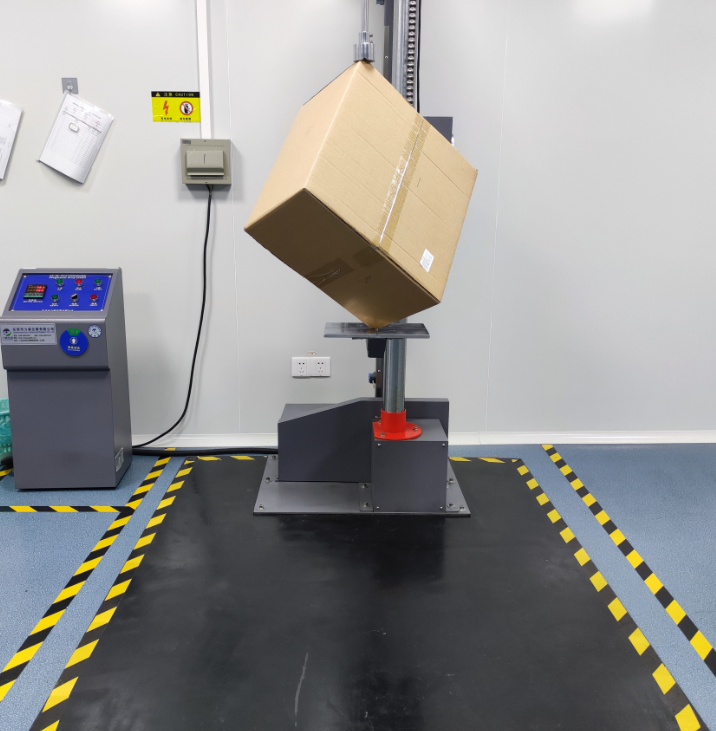
Drop testing is used to simulate handling impact during transportation, following widely accepted standards such as ISTA testing protocols. It helps evaluate whether the packaging can absorb shock without transferring damage to the product.
Vibration testing replicates long-distance transport conditions. This is especially important for products shipped by sea or land, where continuous vibration can affect internal stability.
Compression testing evaluates the strength of outer cartons. This ensures that packaging can withstand stacking pressure during storage and shipping.
Environmental testing, including humidity exposure, is used to assess how packaging performs under different climate conditions.
| Test Type | Purpose | Key Outcome |
|---|---|---|
| Drop Test | Simulate impact | Shock resistance |
| Vibration Test | Simulate transport | Stability |
| Compression Test | Evaluate stacking | Structural strength |
| Humidity Test | Assess environment | Moisture protection |
By validating packaging performance before shipment, manufacturers can identify weaknesses early and reduce the risk of field failures.
Common Packaging Mistakes to Avoid
Packaging failures are often caused by design issues rather than material limitations.
One common mistake is using generic packaging that does not match the product structure. Without proper internal support, products may shift during transportation.
Another issue is underestimating vibration during long-distance shipping. Even small movements can accumulate and lead to performance issues.
Inadequate electrostatic protection is also a frequent problem, especially for electronic assemblies. Without proper ESD control, damage may occur without visible signs.
Weak carton structures can collapse under stacking pressure, reducing overall protection.
These mistakes often result in problems that appear after delivery, making them more difficult and costly to resolve.
Cost Considerations in Packaging Design
Packaging design is often influenced by cost constraints, but focusing only on reducing packaging cost can lead to higher overall expenses.
Insufficient packaging may result in product damage, returns, and rework, which are significantly more expensive than the initial packaging investment.
On the other hand, over-packaging increases material and shipping costs without necessarily improving protection.
A balanced approach is required. Packaging should be optimized based on product value, shipping method, and risk level.
Key considerations include:
- Matching protection level to product sensitivity
- Selecting materials that provide both strength and efficiency
- Avoiding unnecessary layers that do not add functional value
- Considering logistics costs such as weight and volume
Effective packaging design is not about minimizing cost at a single stage. It is about optimizing total cost across manufacturing, shipping, and after-sales support.
Integrating Packaging into the Manufacturing Process
Packaging should be integrated into the manufacturing workflow rather than treated as a separate final step, similar to how process control is applied in critical manufacturing stages such as firmware programming.
During product design, packaging requirements can be considered to ensure compatibility with structural features.
During assembly, fixation methods can be implemented to improve stability during transportation.
During quality control, packaging integrity should be verified before shipment to ensure that products are properly protected.
This integrated approach helps reduce risk and ensures that packaging supports overall product reliability.
Conclusion
In export shipping, packaging plays a critical role in protecting electronic products and ensuring consistent delivery quality.
It is not simply about enclosing products. It is about managing risk across the entire logistics process.
A well-planned approach to electronics packaging for export shipping is essential for minimizing damage and maintaining product performance.
A well-designed packaging solution reduces damage, improves product reliability, and supports a more predictable delivery outcome.
For companies involved in electronics manufacturing, integrating packaging into design, assembly, and quality control processes is essential for long-term performance and customer satisfaction.
At CINDY Mould, packaging is considered an integral part of the manufacturing process. From product assembly to final shipment, attention is given to protection, stability, and consistency to help ensure that products arrive in optimal condition.
If you are evaluating packaging solutions for an upcoming project or looking to reduce shipping-related risks, feel free to contact CINDY Mould to discuss your requirements. Our team can support you with practical packaging strategies aligned with your product structure and shipping conditions.