
Introduction
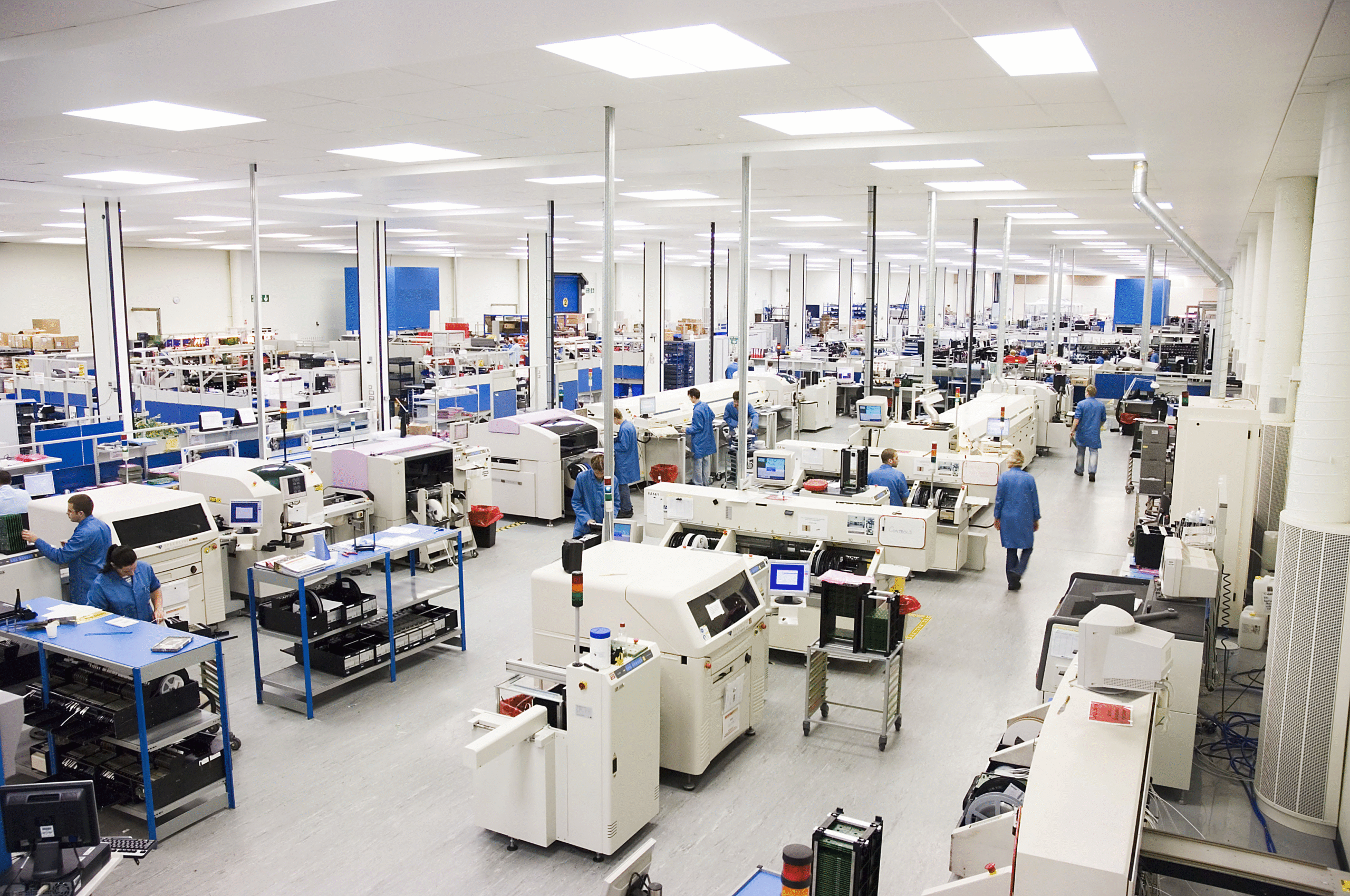
Electronics manufacturing is often described as a structured sequence of processes — from PCB assembly and component sourcing to final product integration, firmware programming, and testing.A stable PCB assembly process plays a critical role in ensuring product quality and consistency at scale, following industry-recognized IPC standards for PCB assembly.
However, in real-world production environments, understanding these processes is only the starting point.
The real challenge lies in something far more difficult to manage:
👉 Maintaining consistency under production pressure
Many products perform perfectly during the prototype stage. Functional testing passes, assembly appears correct, and product performance seems stable.
But once production scales, new problems begin to appear:
- Yield starts to decline
- Rework rates increase
- Product performance becomes inconsistent
- Delivery timelines become difficult to maintain
These issues are rarely caused by a single major defect.
Instead, they are usually the result of small variations that repeat across hundreds or thousands of units, gradually turning into measurable production risks.
This is why electronics manufacturing is not just about making products — it is about building a system that can remain stable at scale.
In this article, we explore the 10 most common electronics manufacturing challenges, along with practical engineering insights and proven solutions.
What Is Electronics Manufacturing?
Electronics manufacturing refers to the process of producing electronic products by integrating electrical components, mechanical structures, and software systems into a functional unit.
A complete manufacturing workflow typically includes:
- PCB fabrication and assembly (PCBA)
- Component sourcing and supply chain coordination
- Mechanical manufacturing such as enclosures and housings
- Box build and final assembly
- Firmware programming and configuration
- Functional testing and quality validation
Although these steps may appear independent, they are highly interconnected.
For example:
- A variation in PCB assembly can affect final product performance
- Assembly inconsistencies can introduce mechanical stress
- Firmware differences can lead to functional instability
👉 This is why electronics manufacturing must be treated as a system, not just a series of isolated processes.
Why Manufacturing Efficiency Matters
Modern electronics production is driven by increasing complexity and competitive pressure.
Companies are expected to:
- Reduce production cost
- Shorten lead times
- Maintain consistent product quality
- Scale production efficiently
In this environment, manufacturing efficiency is no longer optional — it is a key competitive advantage.
Efficient manufacturing systems can deliver:
- Faster production cycles
- Improved product consistency
- Lower defect and rework rates
- Better cost control over time
More importantly, efficiency directly impacts a company’s ability to scale production successfully.
Key Factors That Determine Manufacturing Stability
In practice, production stability depends on how well key variables are controlled.
| Category | Key Factor | Impact | Engineering Insight |
|---|---|---|---|
| Process | Temperature control | Solder quality | ±3–5°C impacts yield |
| Assembly | Torque & insertion force | Mechanical stability | Variation causes stress |
| Materials | Supplier consistency | Reliability | Batch variation critical |
| Environment | Humidity & dust | Process stability | Needs strict control |
| Automation | Repeatability | Consistency | Reduces variation |
Even small deviations in these factors can lead to significant performance differences when repeated at scale.
🔥 Top 10 Electronics Manufacturing Challenges
1. Yield Drops After Scaling
Yield loss is one of the most common challenges when transitioning from prototype to mass production.
During early-stage builds, engineers can manually adjust processes and quickly resolve issues. However, mass production operates under entirely different conditions, where repeatability becomes critical.
Even small process variations — such as a ±3–5°C difference in reflow temperature or minor placement offset — can significantly impact solder quality and alignment when repeated across thousands of units.
This often results in:
- Increased defect rates
- Higher rework costs
- Reduced production efficiency
In many cases, issues such as cold solder joints can become more frequent as process variation increases, leading to hidden reliability risks in mass production.
To address yield issues, manufacturers should conduct pilot runs under real production conditions, implement Statistical Process Control (SPC), and monitor key parameters continuously.
2. Inconsistent Product Quality
Inconsistent product quality is often more difficult to detect than visible defects.
Products may pass functional testing but behave differently in real-world conditions.
This inconsistency is usually caused by variation in materials, assembly processes, and environmental conditions.
In high-volume production, even small variations can lead to 5–15% performance differences, especially in products requiring stable electrical or thermal performance.
To improve consistency, manufacturers should standardize processes, control environmental conditions, and reduce operator-dependent variation.
3. Assembly Variation
Assembly variation is one of the most underestimated causes of product instability.
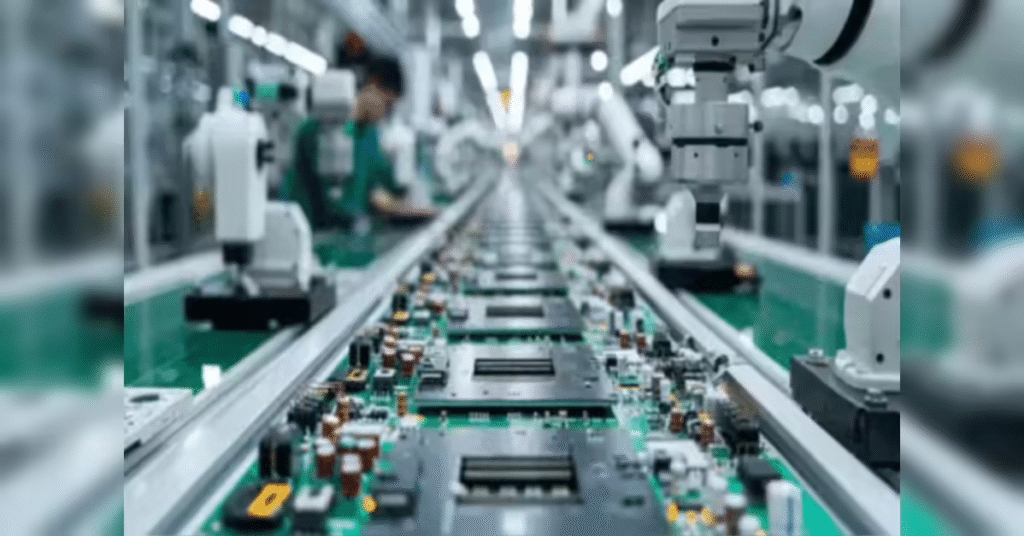
Even when standard procedures are followed, small differences in execution can occur between operators.
These differences may include:
- Connector insertion force variation
- Cable routing differences
- Fastening torque inconsistency
This type of variation is especially critical in box build assembly, where multiple components must be integrated with consistent mechanical and electrical alignment.
Over time, these small variations can accumulate and lead to intermittent failures, particularly under vibration or thermal stress.
To reduce assembly variation, manufacturers should use fixtures, define clear standards, and implement operator training programs.
4. Firmware Inconsistency
Firmware plays a critical role in product performance, yet it is often overlooked as a source of variation.
Differences in firmware version, configuration, or calibration can cause identical hardware to behave differently.
This type of variation is particularly difficult to detect because it is not always visible during inspection.
To ensure consistency, manufacturers should implement version control, automate programming processes, and track firmware at the unit level.
5. Component Consistency Issues
Component variation becomes more noticeable during mass production.
Differences between suppliers or batches can introduce electrical, mechanical, or solderability variations.
These differences can lead to yield fluctuations and reliability issues.
To manage component consistency, manufacturers should strengthen incoming quality control, qualify suppliers carefully, and monitor performance continuously.
6. Coating and Protection Problems
Protective coatings are essential for product reliability but are highly sensitive to process variation.
Issues such as uneven thickness, improper curing, or contamination can lead to environmental failure.
For example, insufficient curing can reduce insulation performance, while excessive thickness can cause overheating.
To ensure coating quality, manufacturers should control environmental conditions, standardize processes, and validate curing parameters.
7. Tolerance Stack-Up
Tolerance stack-up occurs when multiple components with acceptable individual tolerances combine to create assembly issues.
This often results in misalignment, increased stress, and assembly difficulty.
To prevent these issues, manufacturers should perform tolerance analysis early, align design teams, and validate assembly during pilot production.
8. Lack of Process Control
Production systems that rely heavily on operator experience rather than standardized processes are difficult to scale.
Without proper control, variation increases and stability decreases.
Implementing MES systems, SPC monitoring, and automated controls can significantly improve consistency.
9. Ineffective Testing Strategy
Testing often focuses only on functionality rather than real-world conditions, while established electronic product testing standards help ensure reliability under actual operating environments.
Products may pass testing but fail under vibration, thermal cycling, or long-term use.
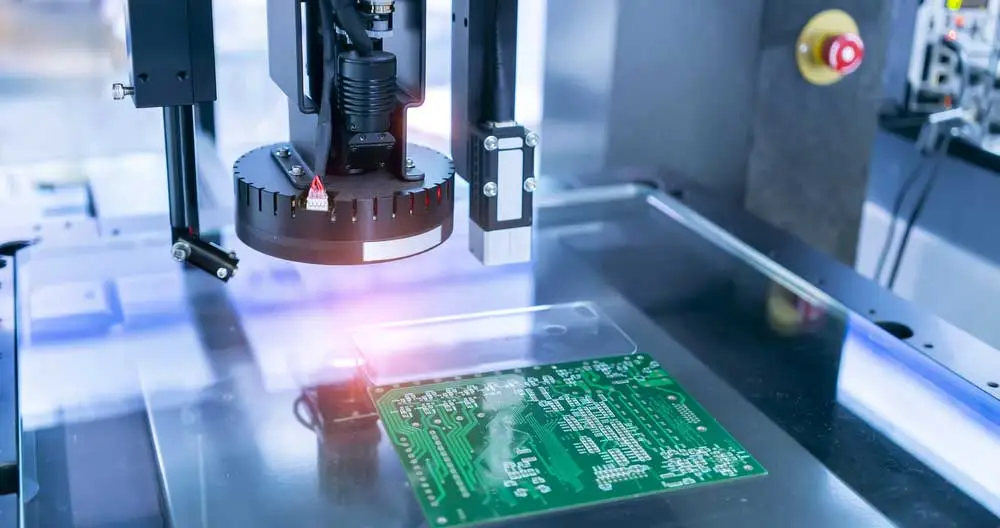
Effective testing should simulate real conditions and include stress testing methods.
10. Weak Manufacturing Coordination
Manufacturing requires alignment between design, sourcing, and production teams.
Misalignment can lead to delays, rework, and inefficiencies.
Improving communication and integrating processes early can significantly reduce these risks.
🔬 Real Production Case
In one project, a product passed all functional testing during pilot production.
However, after scaling to 8,000 units, failure rates increased to over 12%.
The issue was traced to assembly variation in connector positioning.
After standardizing the process and introducing fixtures, the failure rate dropped below 2%.
🏭 Applications
Electronics manufacturing applies to various industries, each with different requirements.
Consumer electronics require high-volume production and consistent performance.
Industrial applications demand long-term reliability under harsh conditions.
Automotive electronics require precision, thermal performance, and strict quality standards.
⚖️ Prototype vs Mass Production
| Aspect | Prototype | Mass Production |
|---|---|---|
| Control | Manual | Process-based |
| Flexibility | High | Low |
| Stability | Low | Critical |
🧠 The Real Problem: Manufacturing Is a System
Manufacturing challenges are interconnected.
Assembly, materials, firmware, and process control all influence each other.
👉 Stability comes from system-level control, not isolated fixes.
❓ FAQ
What is electronics manufacturing?
It includes PCB assembly, sourcing, enclosure production, firmware programming, and final assembly.
Why do products fail after production?
Because small variations become amplified at scale.
How to improve manufacturing consistency?
By controlling processes, standardizing operations, and reducing variation.
What causes inconsistent product quality?
Assembly variation, material differences, and process instability.
How to choose a reliable manufacturer?
Look for strong engineering support, process control, and scalability.
🏁 Conclusion
Electronics manufacturing is not just about producing products.
It is about producing them consistently at scale.
By controlling variation and building stable processes, companies can improve reliability, reduce cost, and achieve efficient production, often supported by ISO quality management standards that ensure consistency and continuous improvement.
Choosing the right partner is equally important. Working with an experienced team can help you better control processes, reduce variation, and scale production efficiently when you choose an EMS supplier with strong engineering and manufacturing capabilities.