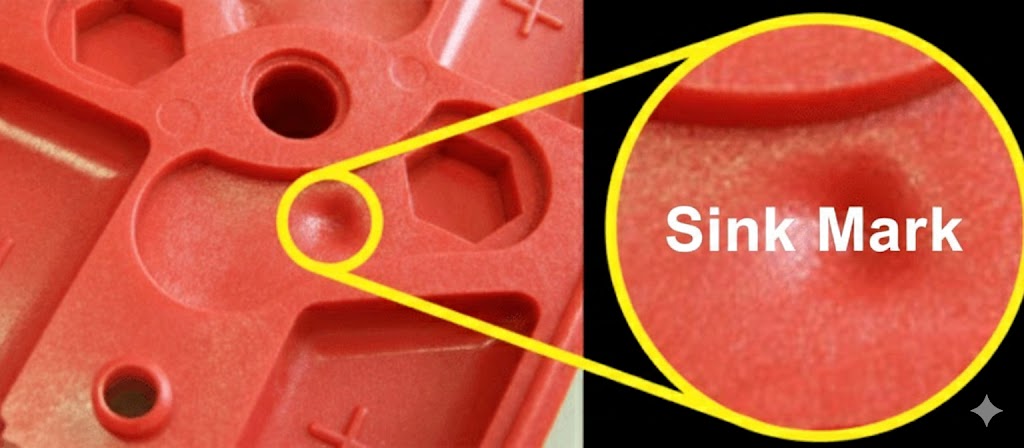
Why Sink Marks Still Appear Even With Perfect Mold Design
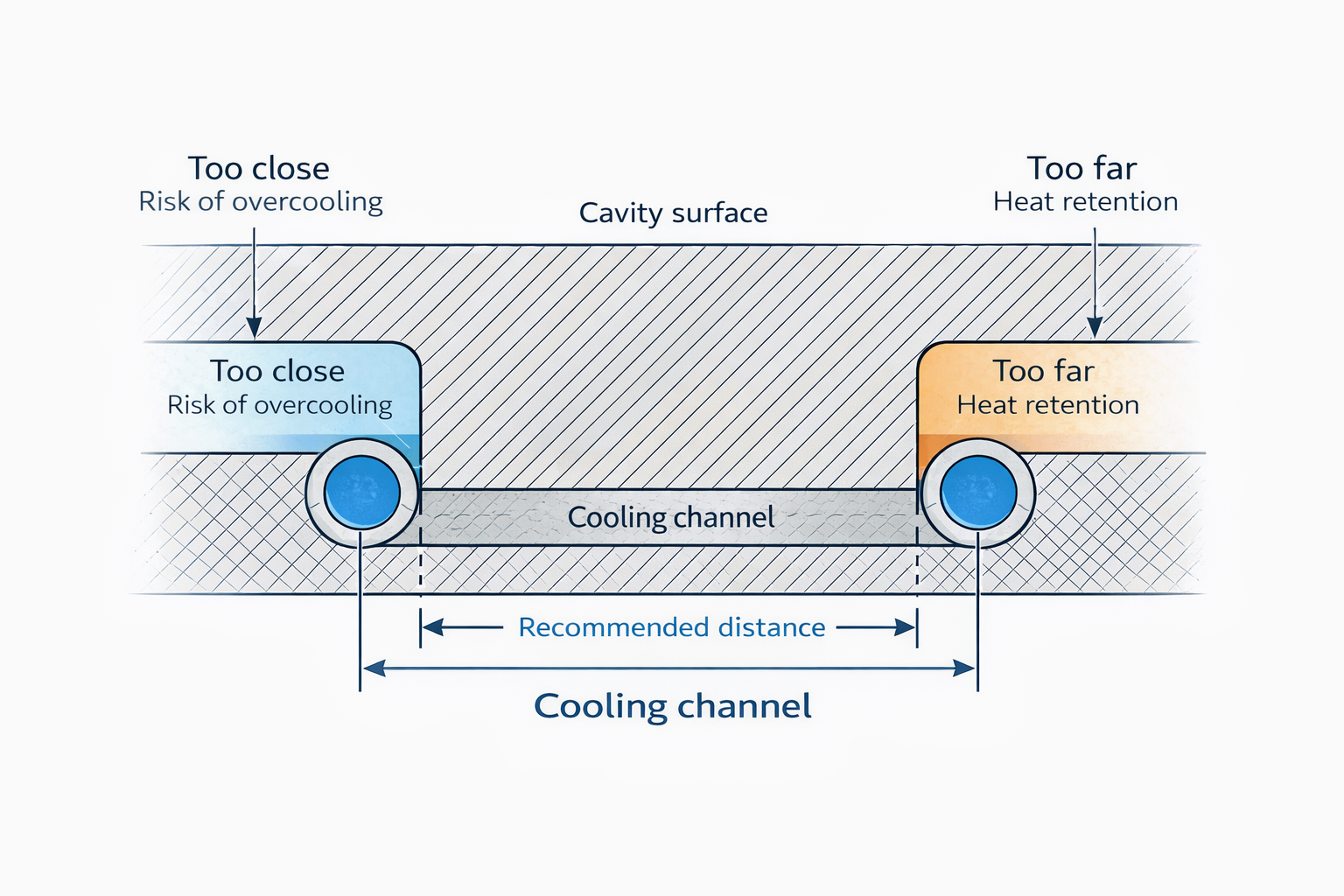
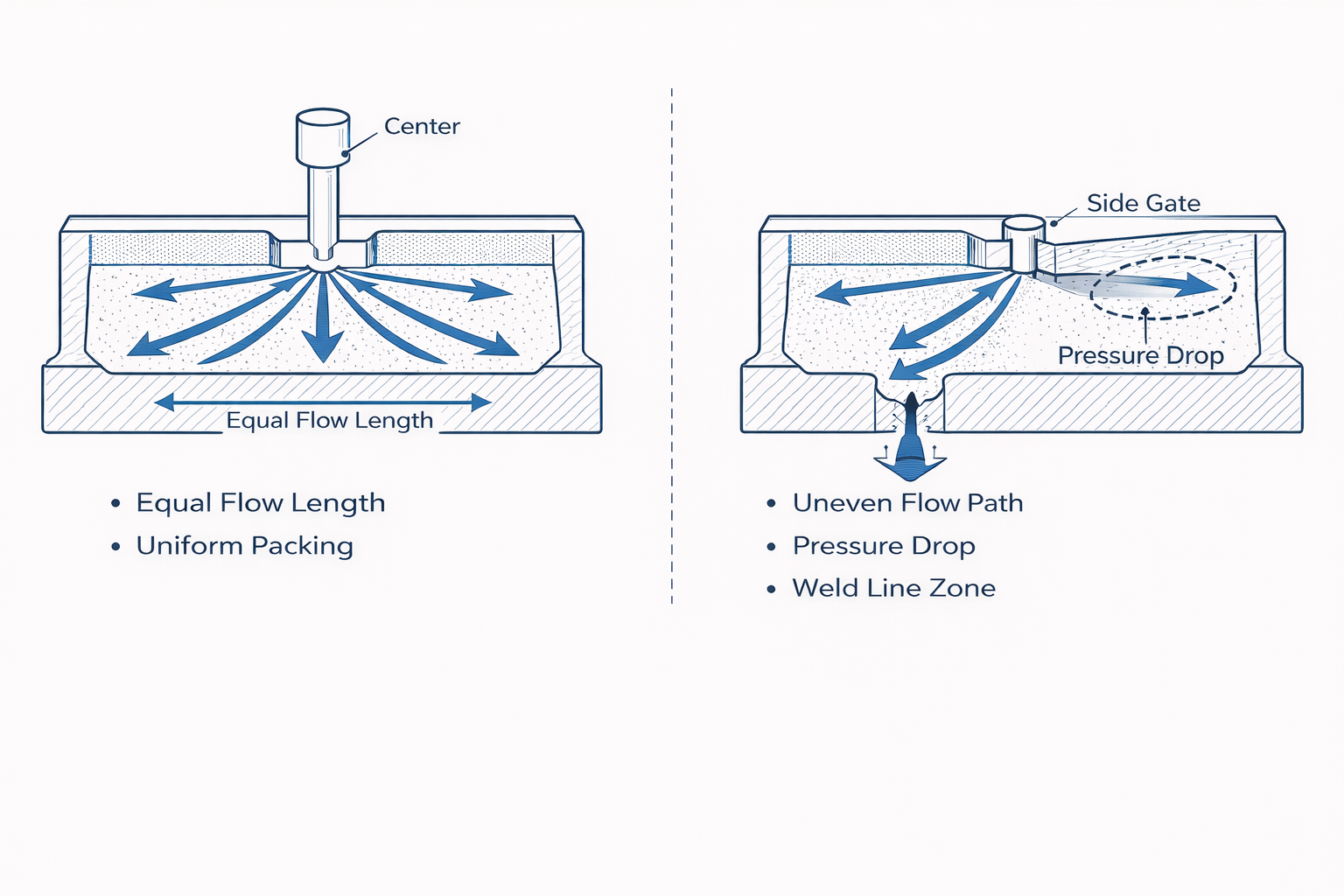
Sink marks in injection molding are one of the most common cosmetic defects in plastic parts. They typically appear as small depressions on the surface of molded components, often above ribs, bosses, or thick sections. Most plastic design guidelines recommend maintaining uniform wall thickness, proper rib ratios, and efficient mold cooling. In theory, following these rules should prevent sink marks from appearing. However, in real manufacturing environments, sink marks can still occur even when the mold design is technically correct. This happens because sink marks are not caused by a single factor. Instead, they result from the interaction between material properties, mold design, cooling conditions, and processing parameters. In this article, we explore the most common reasons why sink marks in injection molding still appear despite a well-designed mold. What Are Sink Marks in Injection Molding? Sink marks are surface depressions that occur when the interior of a plastic part shrink