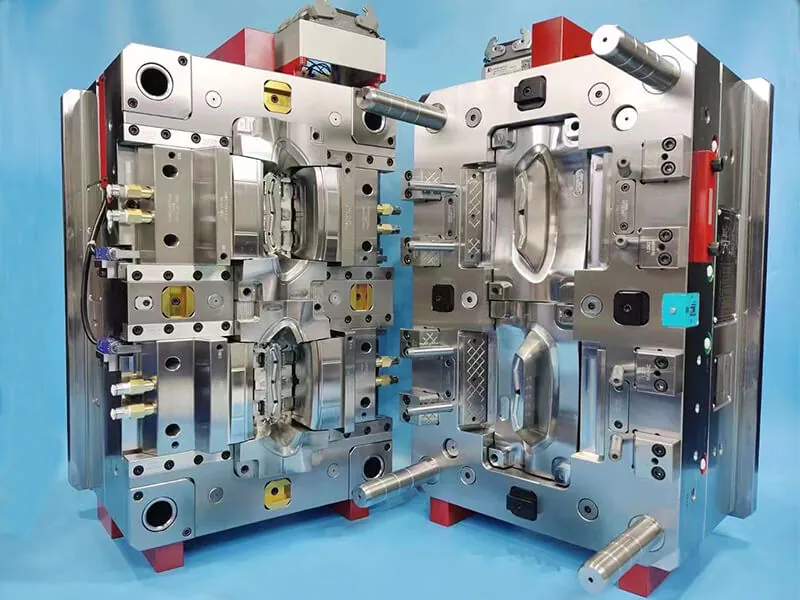
Precision Tooling & Mold Engineering

Custom Injection Mold Manufacturing

From DFM and mold design to precision machining, mold trials, and validation, CINDY MOULD manufactures custom injection molds for reliable and repeatable plastic part production.

DFM & Mold Design Precision Mold Manufacturing Mold Trials & Validation
Our Capabilities

Injection Mold Manufacturing Capabilities

We support custom injection mold projects from prototype tooling to production-ready molds, delivering durable tooling solutions for a wide range of plastic parts, production volumes, and molding requirements.

Prototype to Production From concept validation to production tooling
Single & Multi-Cavity Flexible cavity configurations for different volumes
Cold & Hot Runner Solutions matched to quality, volume, and cost
Open custom injection mold showing core and cavity

Mold Types

Prototype Tooling · Production Molds

From early design validation to durable molds prepared for repeat production.

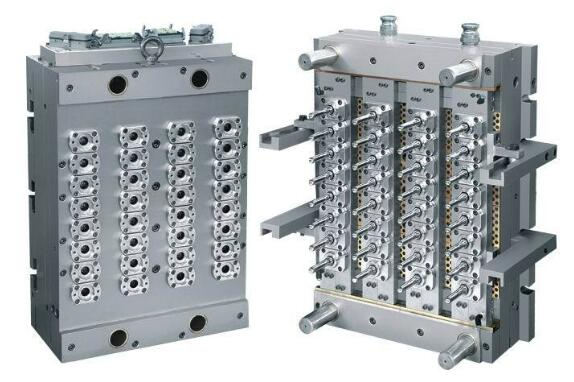
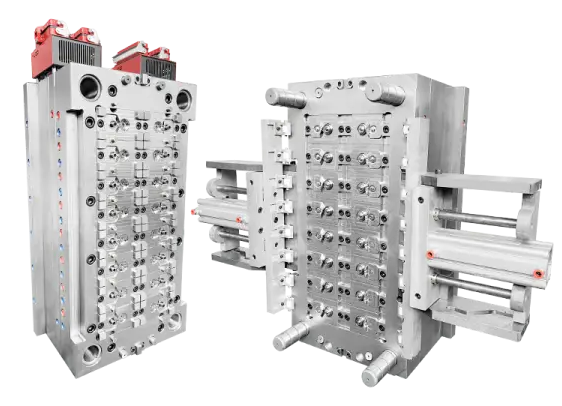
Multi-cavity injection mold with multiple cavity layout

Cavity Options

Single-Cavity · Multi-Cavity

Cavity layouts selected around part complexity, annual volume, and production efficiency.
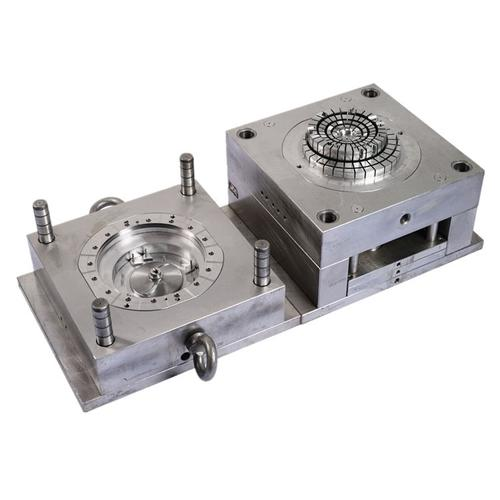
Hot runner injection mold system

Runner Systems

Cold Runner · Hot Runner

Runner systems evaluated for material use, cycle requirements, quality, and tooling cost.
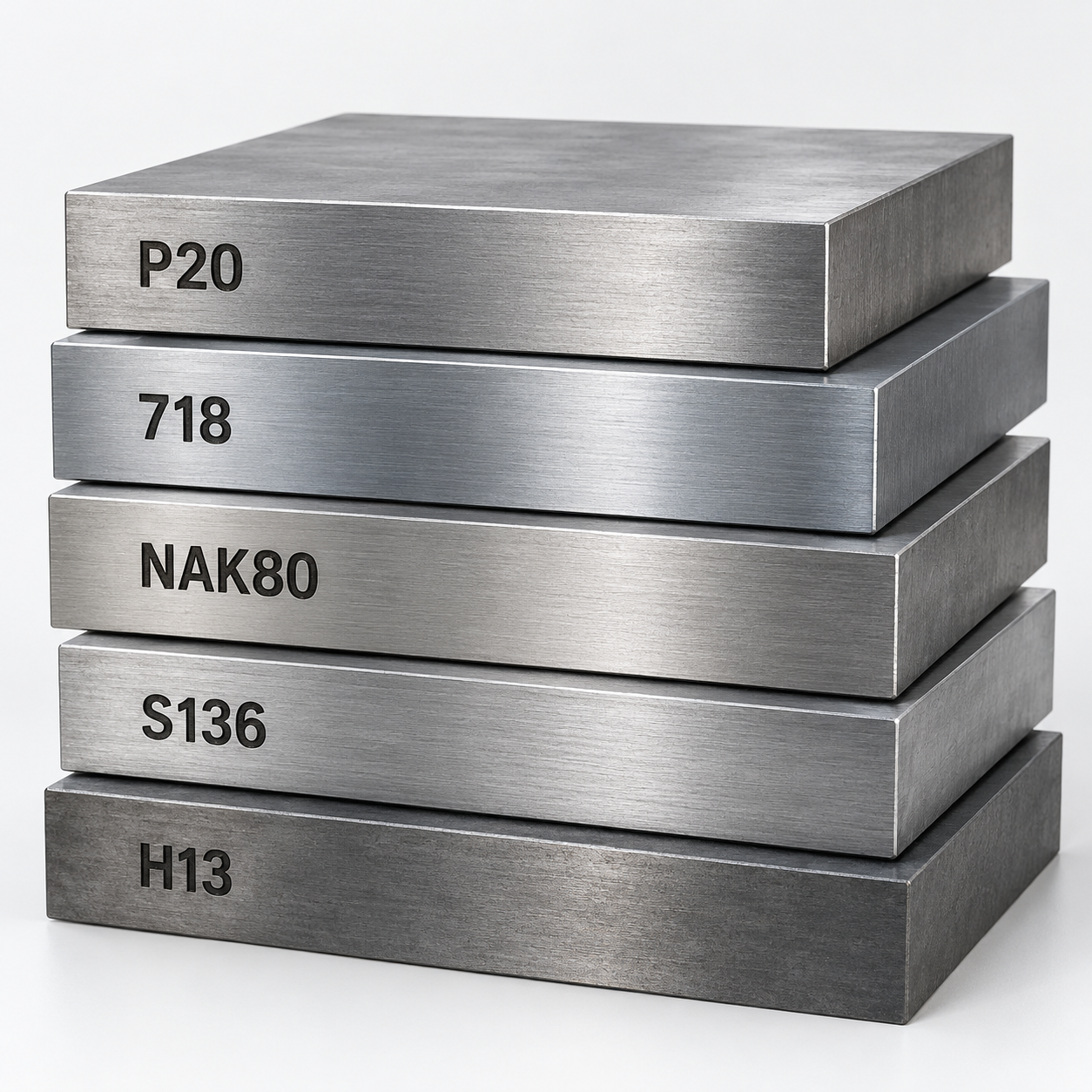
Mold steel grades including P20, 718, NAK80, S136 and H13

Mold Steel

P20 · 718 · NAK80 · S136 · H13

Steel selection based on part requirements, finish expectations, mold life, and production conditions.
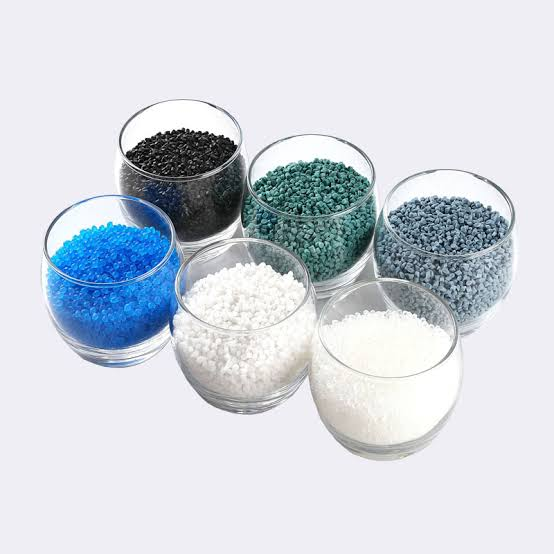
Plastic resin pellets used for injection molding materials

Part Materials

ABS · PC · PP · PA · POM · TPE

Support for common commodity and engineering plastics used across molded product applications.
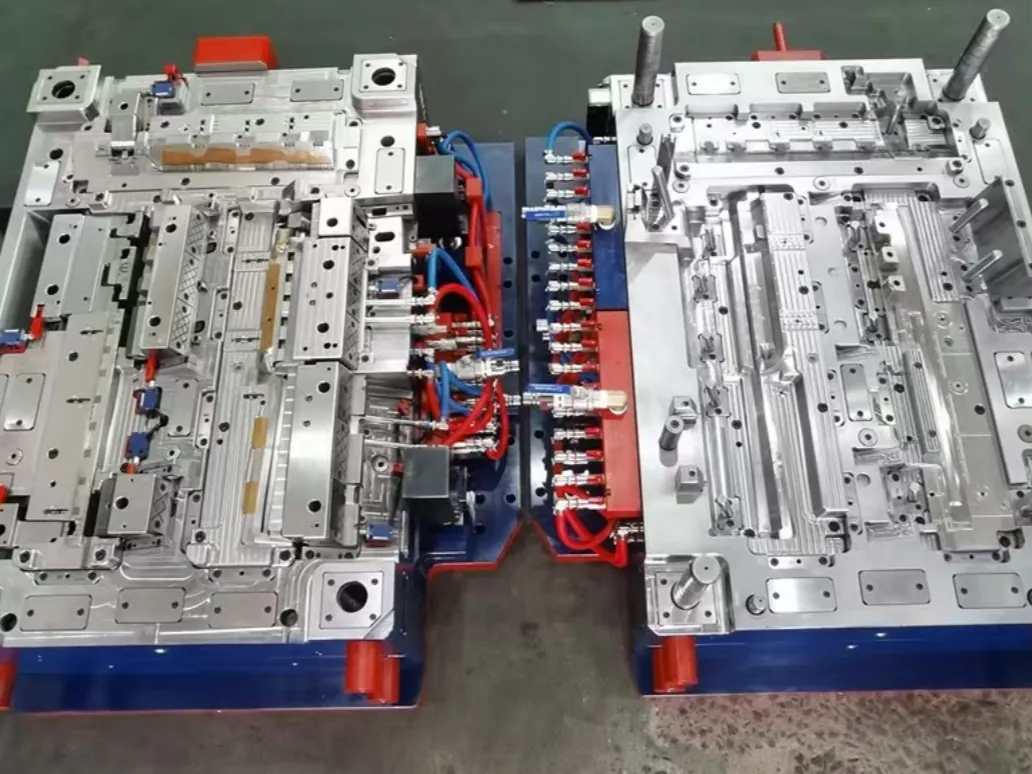
Complex injection mold with slides, lifters and insert features

Mold Features

Slides · Lifters · Inserts · Overmolding

Mold structures designed around undercuts, inserts, complex geometry, and functional requirements.

Our Process

From DFM to Production-Ready Mold

Our mold development process combines engineering review, controlled manufacturing, mold trials, and validation to reduce tooling risk before mass production.

01

Design &
Engineering

Turn your part concept into a manufacturable, optimized mold design.
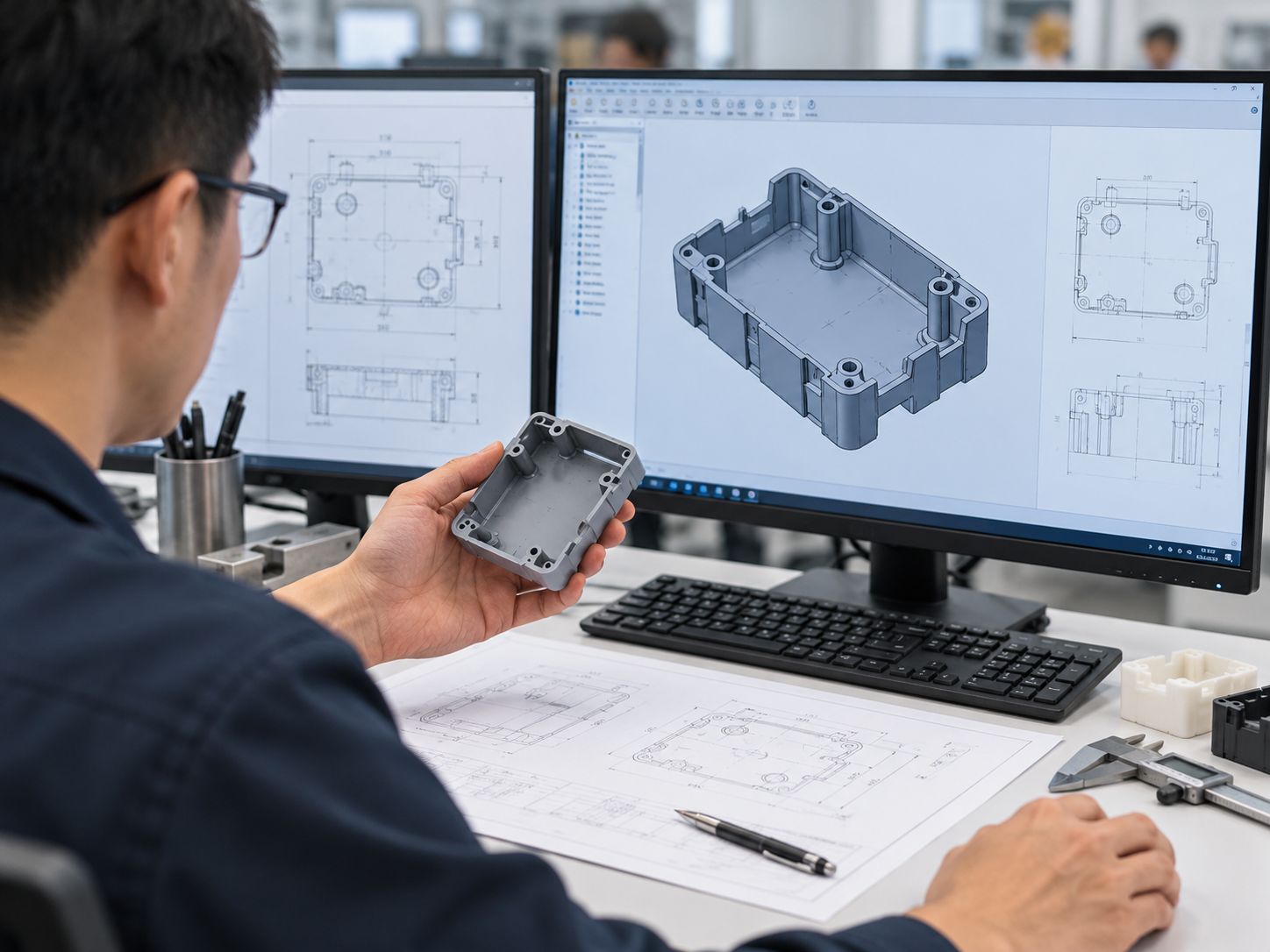
1

Project Input Review

Injection mold project input review
  • Part geometry & 3D data
  • Material & performance
  • Annual volume target
2

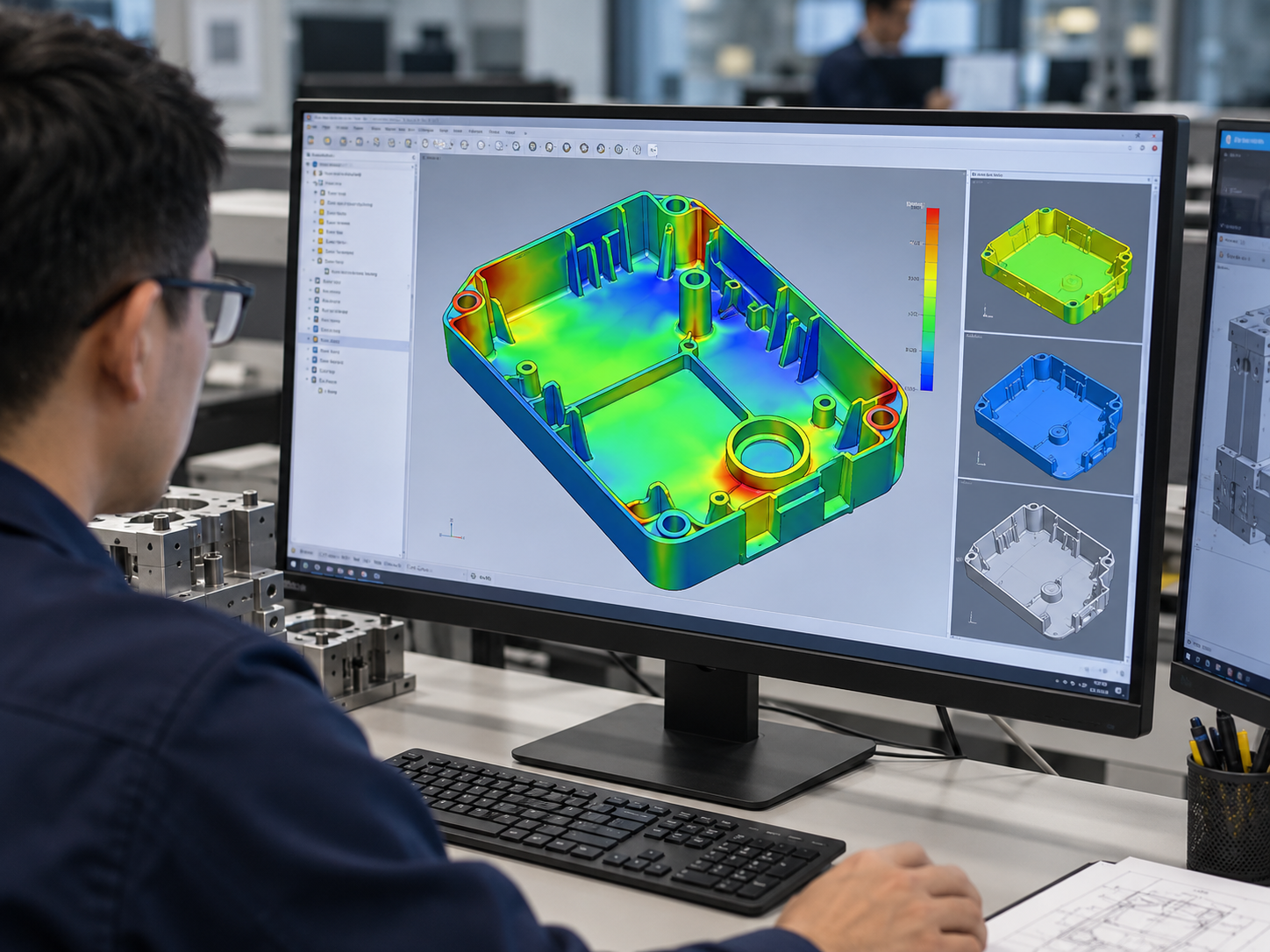
DFM Analysis

Injection molding DFM analysis
  • Draft & wall thickness
  • Undercuts & ejection
  • Gate location & flow risks
3

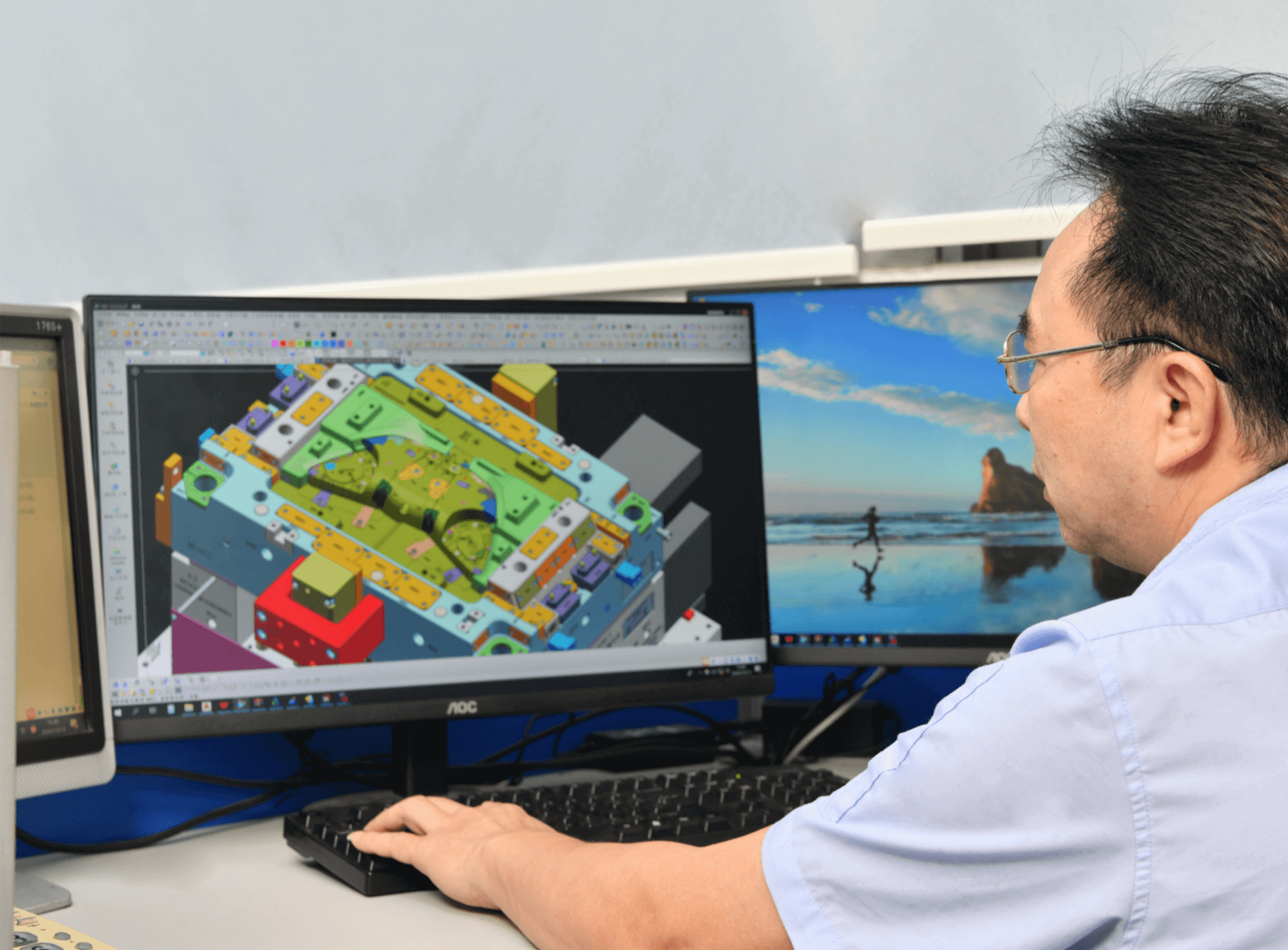
Mold Design Review

Custom injection mold design review
  • Parting line & mold structure
  • Slider / lifter solution
  • Full 3D mold design review
⚙ Each stage must pass its review before the project moves to the next stage.
02

Tool
Manufacturing

Precision manufacturing and assembly to build durable, production-ready molds.
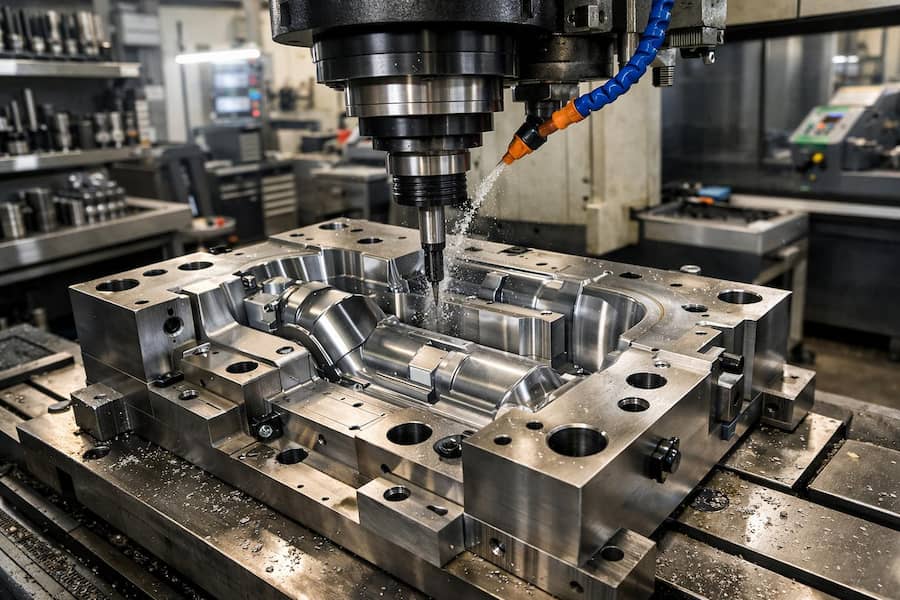
1

Steel Preparation

Injection mold steel preparation
  • Material inspection
  • Cutting & rough machining
  • Stress relief if required
2

CNC / EDM / Wire EDM

Precision injection mold machining
  • Precision CNC machining
  • EDM for complex features
  • Grinding & polishing
3

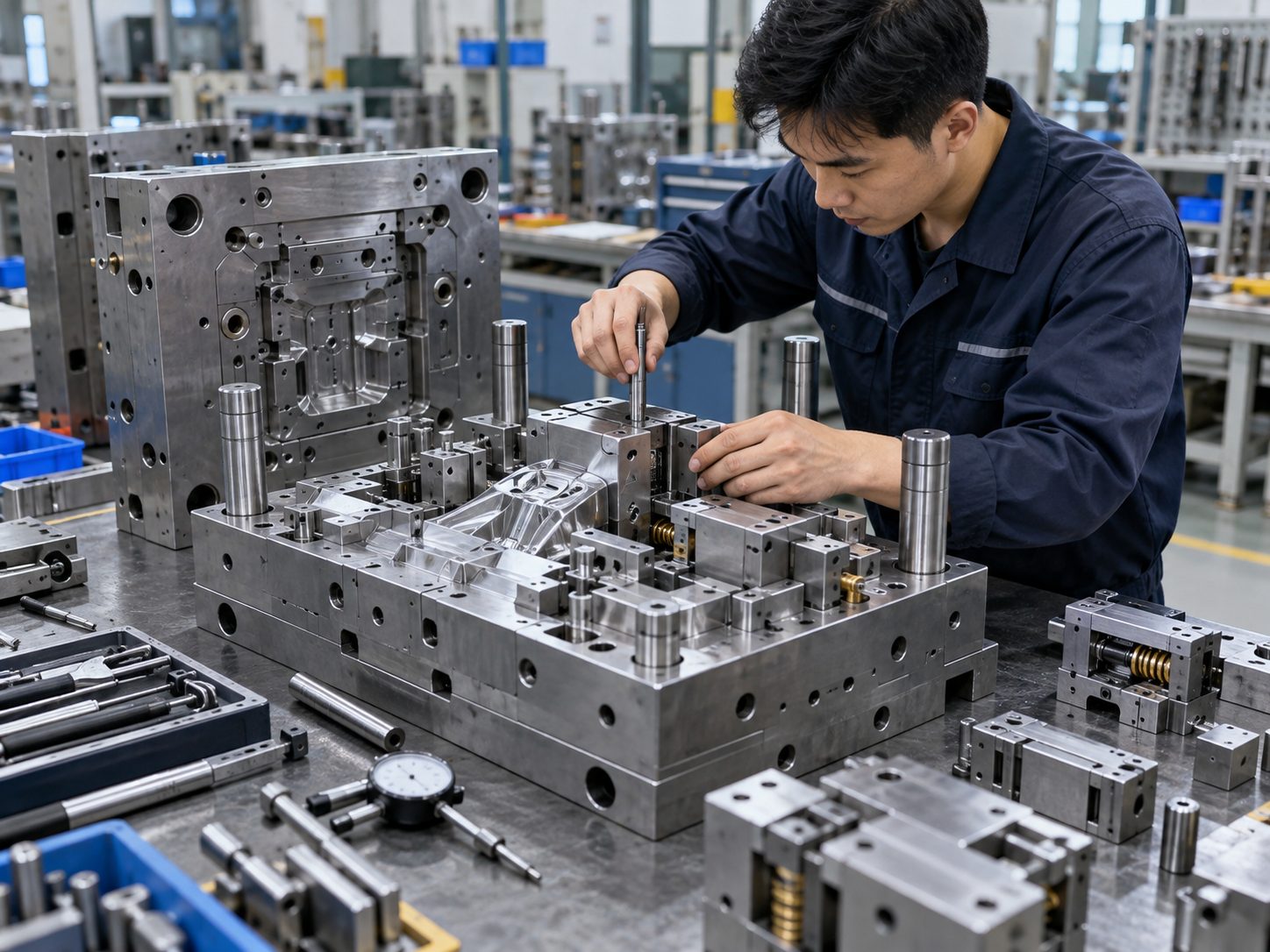
Fitting & Assembly

Injection mold fitting and assembly
  • Slider & lifter fitting
  • Cooling circuit check
  • Full mold assembly & tryout
03

Trial &
Validation

Validate mold performance and part quality under actual production conditions.
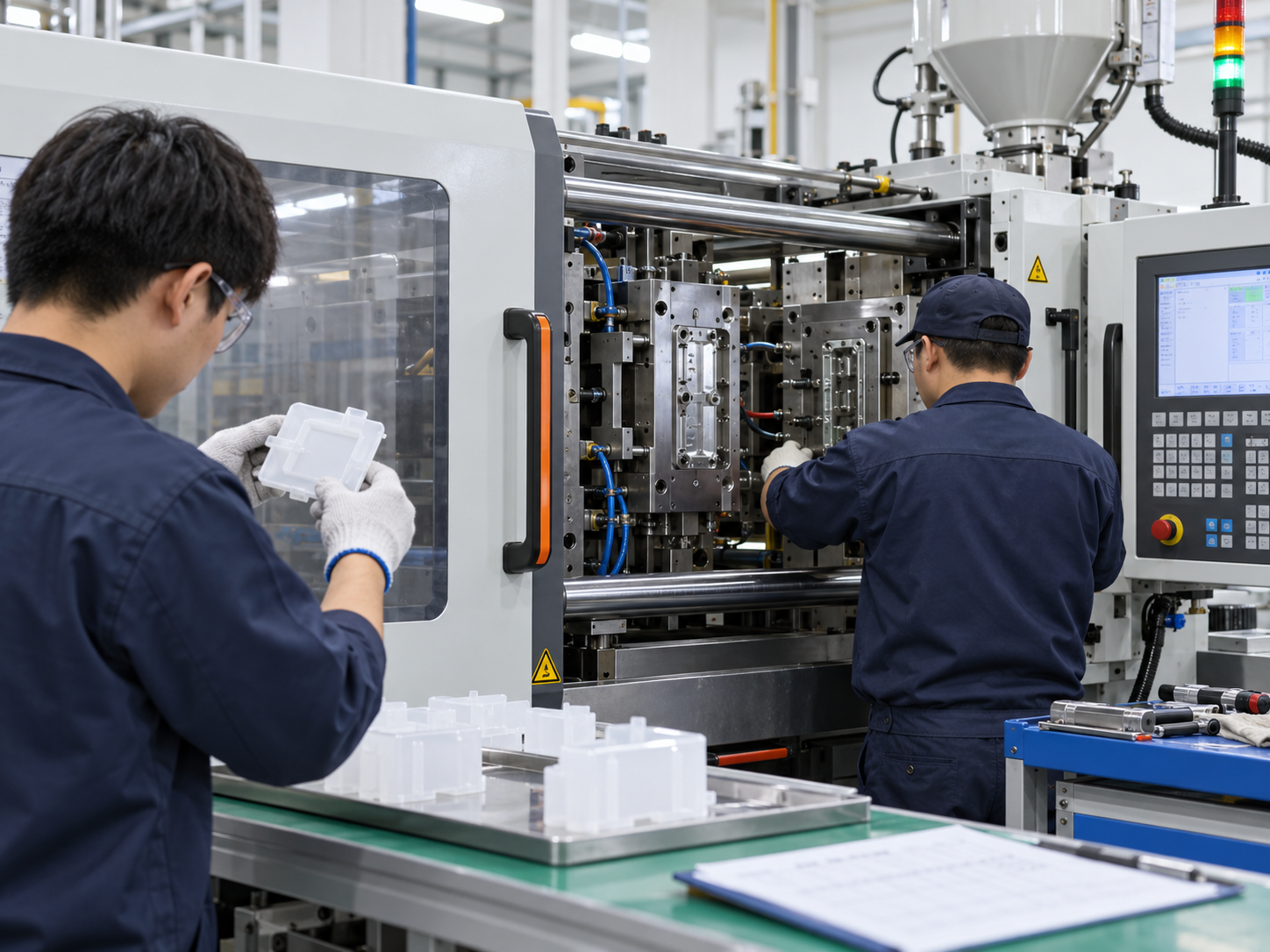
1

T0 Trial

T0 injection mold trial
  • Initial mold trial
  • Check fill, short shot & flash
  • Preliminary part inspection
2

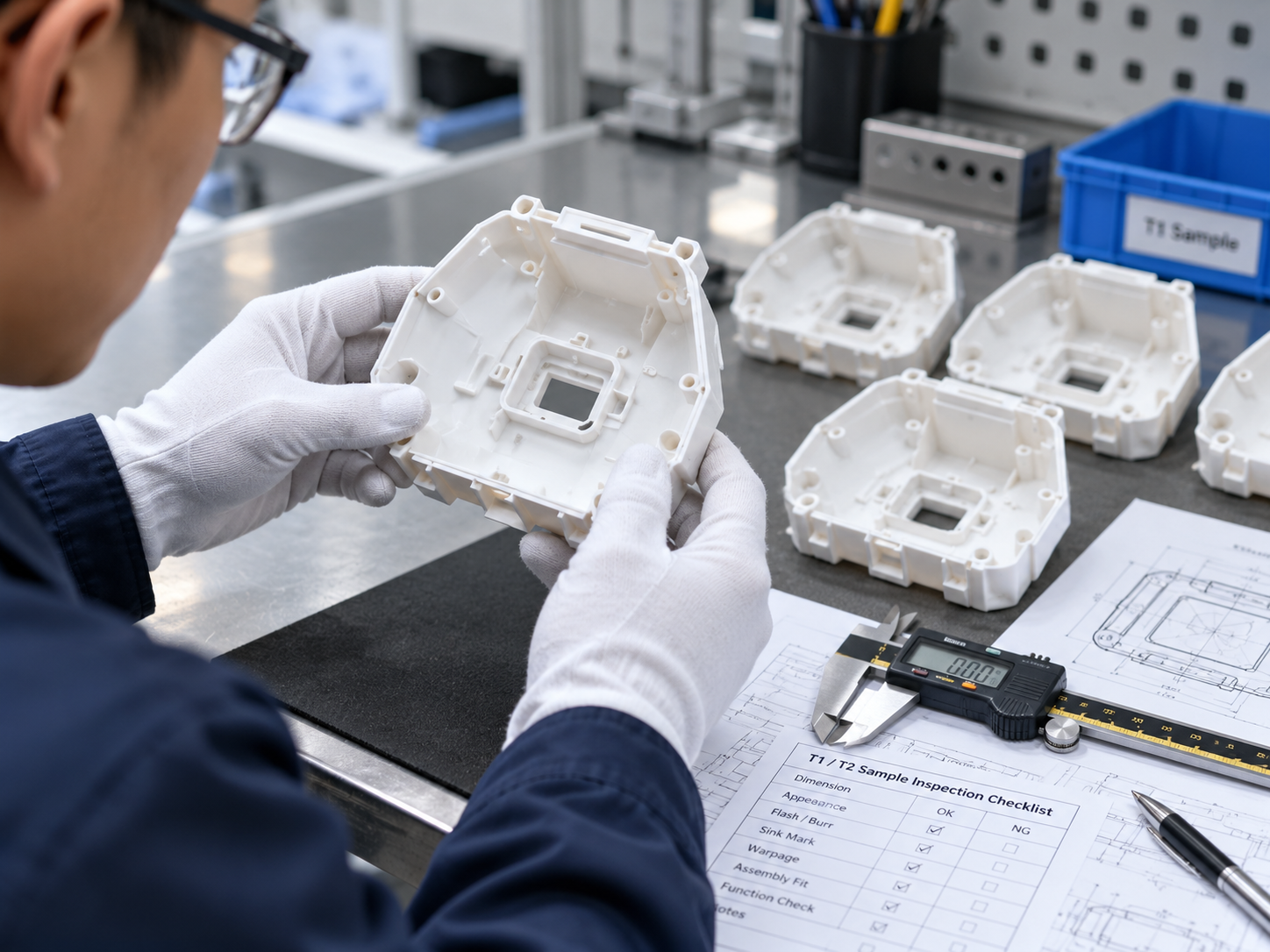
T1 / T2 Optimization

Injection mold T1 and T2 optimization
  • Process adjustment
  • Resolve defects & molding risks
  • Dimensional & appearance check
3

Final Approval

Production-ready injection mold final approval
  • Stable production run
  • Final part inspection
  • Customer approval
Typical Project Outputs
DFM Report · Mold Design Review · Trial Samples · Dimensional Inspection · Modification Record · Final Mold Approval
Discuss Your Mold Project
Mold Solutions

Mold Types We Manufacture

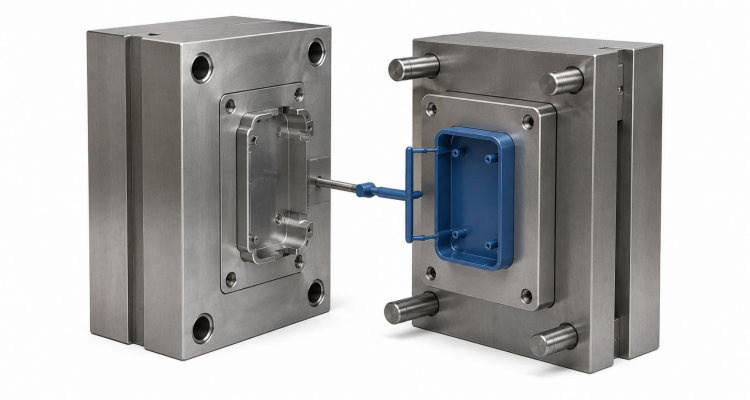
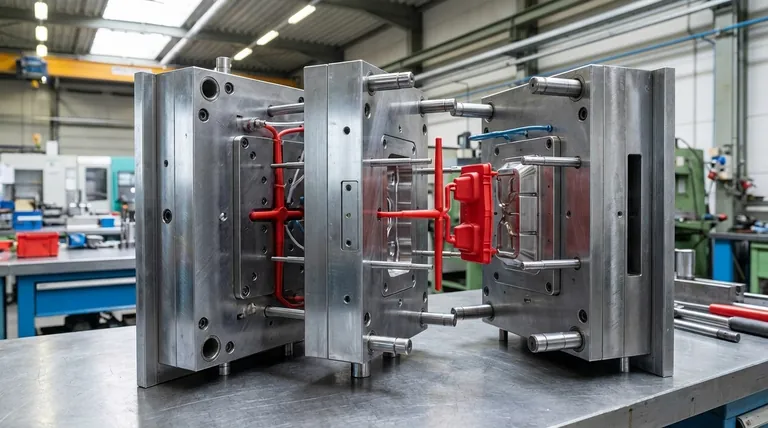
We design and build a wide range of injection molds to meet different part structures, production volumes, and project requirements. Our engineering team selects the most suitable mold structure based on part design, material, annual volume, and target tool life.
Selection Factors

Part Geometry Size, structure, wall thickness
Annual Volume Prototype, low volume or mass production
Material General plastics or engineering plastics
Tool Life Standard or high tool life requirements
Automation Manual or automated production
01

Two-Plate Mold

Two-plate custom injection mold
  • Simple and reliable structure
  • Suitable for a wide range of plastic parts
  • Cost-effective for most applications
02

Three-Plate Mold

Three-plate custom injection mold
  • Flexible gate locations
  • Automatic runner separation
  • Suitable for complex part designs
03

Hot Runner Mold

Hot runner injection mold
  • Reduced runner waste
  • Improved production efficiency
  • Ideal for higher-volume production
04

Multi-Cavity Mold

Multi-cavity injection mold
  • Higher output and lower unit cost
  • Consistent cavity-to-cavity quality
  • Suitable for medium to high volume production
05

Insert Mold

Insert injection mold for molded-in components
  • Plastic molded around metal or pre-positioned inserts
  • Strong and reliable part performance
  • Widely used in functional parts
06

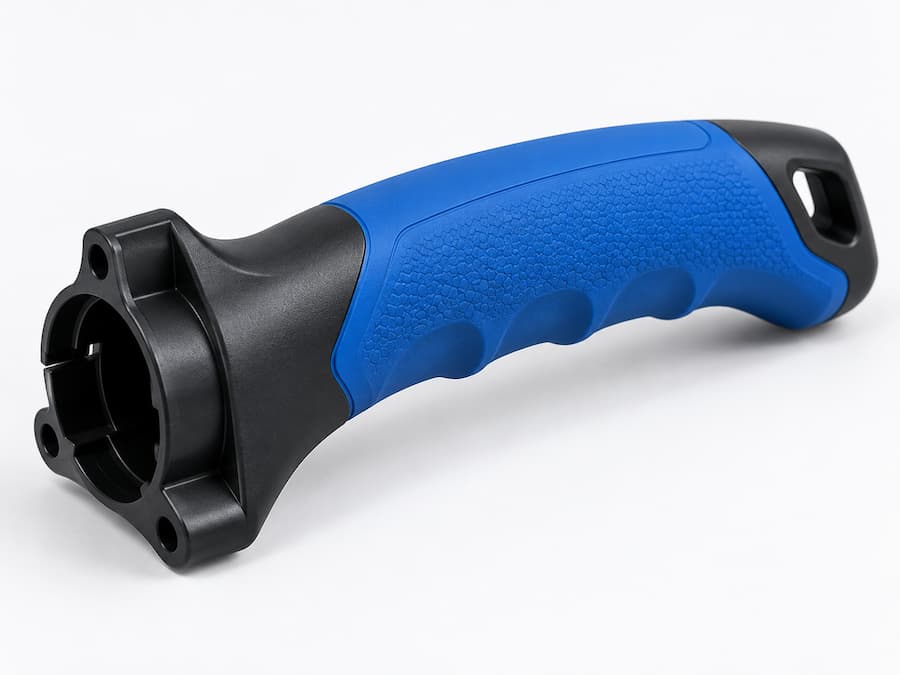
Overmold

Overmolding mold for multi-material plastic parts
  • Multiple materials or components combined into one part
  • Improved functionality and appearance
  • Suitable for various industries and applications

Not Sure Which Mold Structure Fits Your Project?

Send us your 3D/2D drawings, material, annual volume, and tool-life requirements. Our engineering team can review your project and recommend a suitable mold solution.

Mold Material & Tool Life

Mold Steel Selection for Production Requirements

Mold material is selected according to part resin, annual production volume, surface finish, part complexity, corrosion risk, wear conditions, and expected tool life. We consider steel grade, heat treatment, and mold construction together to support stable production and long-term performance.

Common Mold Steel and Applications
Mold Steel Typical Application Key Property Typical Consideration
P20 General production molds Good machinability and cost balance Cost-effective for most general injection molds
718 / 718H Medium-volume production Higher hardness and good polishability Stable performance for repeat production
NAK80 Cosmetic plastic parts Good polishability and dimensional stability Suitable for appearance-critical molded parts
S136 Optical / corrosive resin applications Corrosion resistance and high polish Used where corrosion resistance or high finish is required
H13 Inserts / high-wear mold components Heat resistance and wear resistance Suitable for selected gates, inserts, sliders, and stressed areas

Tooling Strategy for Different Production Needs

Mold design, steel selection, and component configuration are adjusted according to production volume, part requirements, and project goals.

Prototype / Low Volume

  • Simplified tooling where appropriate
  • Faster validation and sampling
  • Cost-focused steel selection
  • Suitable for development and market testing

Standard Production

  • Production-grade mold steel
  • Replaceable wear components
  • Balanced cost, tool life, and maintenance
  • Designed for stable repeat production

Long-Life / High Volume

  • Higher-grade steel
  • Hardened inserts and wear areas
  • Enhanced cooling and component durability
  • Maintenance-oriented mold construction

Heat Treatment & Surface Treatment

Appropriate heat treatment and surface finishing can improve mold hardness, wear resistance, surface quality, and production stability.

Pre-Hardened Steel

Used where additional hardening is not required for the selected molding application.

Vacuum Hardening

Used for components requiring increased hardness and wear resistance.

Nitriding

Improves surface hardness and wear resistance on selected mold components.

Polishing

Selected according to cosmetic, optical, and molded-part appearance requirements.

Texture / Surface Finish

Prepared according to required molded-part texture and appearance.

Wear & Maintenance Strategy

Mold structure and material selection consider long-term production, maintenance access, and consistent molded-part quality.

Replaceable Inserts

High-wear areas can be designed as replaceable components to simplify future maintenance.

Slider & Lifter Wear Surfaces

Material and treatment are selected for repeated movement and long-term durability.

Gate Area Protection

High-stress gate regions can use harder inserts or selected surface treatment to improve durability.

Cooling & Maintenance Access

Mold design considers cooling efficiency, cleaning, inspection, and maintenance access.

Final steel grade, hardness, heat treatment, and wear-component strategy are confirmed after reviewing part geometry, resin, annual volume, surface requirements, mold structure, and target tool life.
Discuss Your Tooling Requirements
Production-Focused Mold Engineering

Engineering Features Built for Stable Production

A mold should do more than produce acceptable first samples. Its structure, cooling, ejection, wear components, and maintenance strategy should support stable and repeatable production over the life of the program.

01

Balanced Cooling

For dimensional stability and repeatable cycles.

Cooling layout is reviewed according to part geometry, wall thickness, hot spots, and expected cycle conditions.

Temperature Balance Warpage Control Cycle Stability
02

Reliable Ejection

For cleaner part release and reduced deformation.

Ejector pins, sleeves, lifters, and release direction are considered together with part geometry.

Balanced Ejection Lower Part Stress Stable Release
03

Replaceable Wear Components

For easier maintenance and longer mold service life.

High-wear areas such as inserts, sliders, lifters, and selected gate regions can be designed as replaceable components.

Lower Maintenance Cost Faster Replacement Reduced Downtime
04

Gate & Venting Strategy

For more predictable filling and part quality.

Gate location, runner layout, and venting are evaluated according to resin behavior and part geometry.

Filling Balance Air Release Defect Reduction
05

Maintenance-Friendly Mold Construction

For long-term production, not just first-sample approval.

The mold structure considers access to wear parts, cooling connections, moving components, and areas requiring regular maintenance.

Service Access Planned Maintenance Production Continuity

What This Means in Production

More Consistent Parts

Stable mold behavior helps reduce dimensional and appearance variation.

Fewer Unexpected Stops

Wear and maintenance considerations help reduce avoidable interruptions.

Easier Mold Maintenance

Replaceable components and accessible structures simplify future servicing.

Better Long-Term Tooling Value

Tooling decisions consider the full production program, not only the first trial.

Designing a Mold for Long-Term Production?

Share your 3D drawing, resin, expected annual volume, and production requirements. Our team can review tooling risks before mold manufacturing begins.

Discuss Your Mold Project
Engineering Risk Control

Reduce Tooling Risk Before Steel Is Cut

Many tooling problems can be avoided when part design, material, production volume, and key requirements are reviewed before mold manufacturing begins.

Before Tooling Starts, We Review
3D CAD
Material
Annual Volume
Critical Dimensions
Surface / Assembly Requirements
01

Late Design Changes

Customer Risk

Part geometry issues are often discovered only after mold machining begins, causing delays and expensive tooling changes.

What We Review
Wall Thickness Draft Undercuts Gate Ejection
Result Fewer late-stage mold modifications
02

Mold Does Not Match Production Volume

Customer Risk

Samples may work, but the tooling may not match the real production volume or expected tool life.

What We Review
Cavity Count Runner System Mold Steel Cooling Tool Life
Result Tooling matched to the actual production program
03

Good Samples, Unstable Production

Customer Risk

Initial samples may look acceptable, but dimensions, warpage, ejection, or cycle stability can become inconsistent in repeat production.

What We Review
Cooling Filling Venting Ejection Critical Dimensions
Result Better repeatability beyond sample approval
04

Maintenance Becomes Expensive Later

Customer Risk

High-wear areas can become difficult to repair, increasing downtime when the tool requires maintenance during production.

What We Review
Replaceable Inserts Wear Areas Hardened Components Service Access
Result Easier maintenance and lower production disruption

Have a New Mold Project to Evaluate?

Share your part information and let our engineering team review the key factors before tooling starts.

3D CAD Material Annual Volume Critical Dimensions Surface / Assembly Requirements
Request a Tooling Review

How We Support Injection Molding Projects Across Industries

Although performance and production needs vary across industries, our support framework remains consistent.

3D Printing

Support for early design verification, fit checks, and sample evaluation.

Rapid Prototyping

Prototype support for design validation, assembly testing, and early project confirmation.

Surface Finishing

Surface finishing support based on cosmetic, texture, and functional requirements.

Precision CNC Machining

Precision machining for mold cores, cavities, inserts, and critical mold components.

Engineering Evaluation & DFM

Review part geometry, draft, wall thickness, gating, ejection, and potential tooling risks.

Injection Mold Manufacturing

Support from mold design and precision machining to fitting, trial, and optimization.

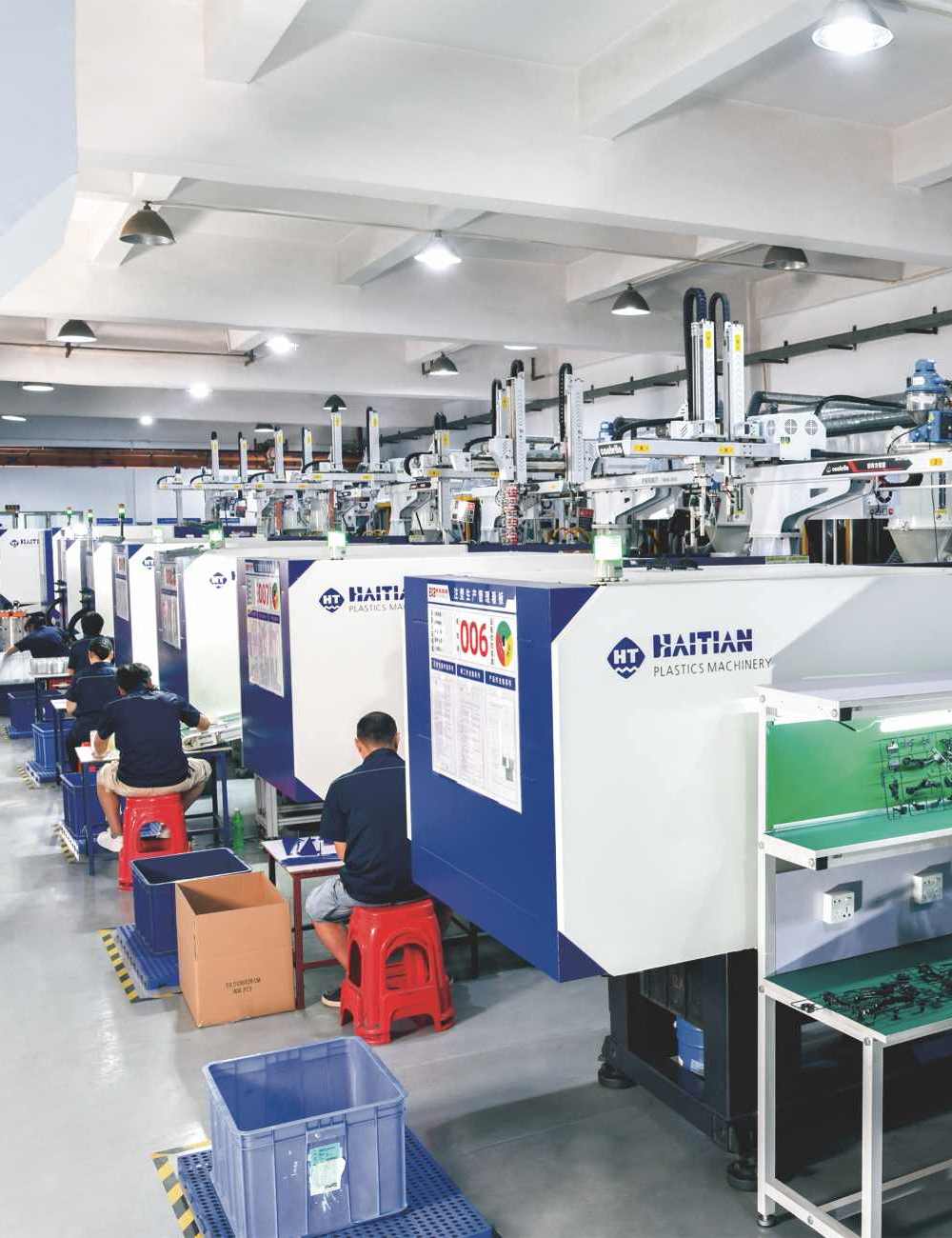
Plastic Injection Molding

Support from mold trials and sampling to stable, repeatable production of molded parts.

Assembly & Functional Support

Support for component fitting, product assembly, inspection, and functional verification.

Need Support Beyond Mold Manufacturing?

Tell us whether your project requires tooling only, molded parts, or assembly support.

Discuss Your Manufacturing Requirements
Why CINDY MOULD

Why Choose CINDY MOULD for Your Injection Mold Project?

20+ years of mold manufacturing experience

One-stop support from tooling to molded parts and assembly

Strong support for engineering, quality, and sourcing teams

Production-focused solutions for different project requirements

Experience supporting custom plastic parts across multiple industries

We don’t just build injection molds — we help customers reduce tooling risks, improve manufacturability, and move projects from design to stable production more efficiently.

FAQ

FAQ – Custom Injection Mold Manufacturing

We typically need 3D CAD files, 2D drawings if available, part material, annual volume, surface requirements, and target tool life. These details help us review manufacturability and prepare a more accurate tooling quotation.

Mold lead time depends on part complexity, mold structure, cavity count, steel selection, surface requirements, and the number of trial and optimization rounds required. A more accurate schedule can be confirmed after reviewing the part data and tooling requirements.

Yes. Before tooling starts, we can review key factors such as wall thickness, draft, undercuts, gate location, ejection, parting line, cooling considerations, and other potential tooling risks.

Yes. We can support mold design, mold manufacturing, mold trials, sampling, optimization, and repeat production of injection molded plastic parts within the same project workflow.

Common options include P20, 718 / 718H, NAK80, S136, H13, and other mold steels selected according to resin, production volume, surface finish, wear conditions, and target tool life.

Yes. For projects requiring additional support after molding, we can assist with component fitting, product assembly, inspection, and functional verification according to project requirements.