
Introduction
PCB Coating Control plays a vital role in ensuring the durability and reliability of electronic products in electronics manufacturing. The coating is essential for protecting PCBs from environmental elements like moisture, dust, and corrosion, as well as improving electrical performance by preventing short circuits and overheating.
However, even with the most rigorous design and assembly processes, a small variation in the PCB coating control process can lead to significant performance issues. These problems often remain undetected during standard testing and inspection, only to become apparent once the product is used in real-world conditions. The consequences of such issues can be costly, ranging from increased rework costs and delays in delivery, to damage to brand reputation.
In this article, we’ll explore the key aspects of PCB coating control, including environment control, coating thickness, and curing process. We will also provide actionable insights on how manufacturers can enhance their coating process to avoid performance issues that can appear once the product is in the field.
Common Problems Caused by Poor Coating Control
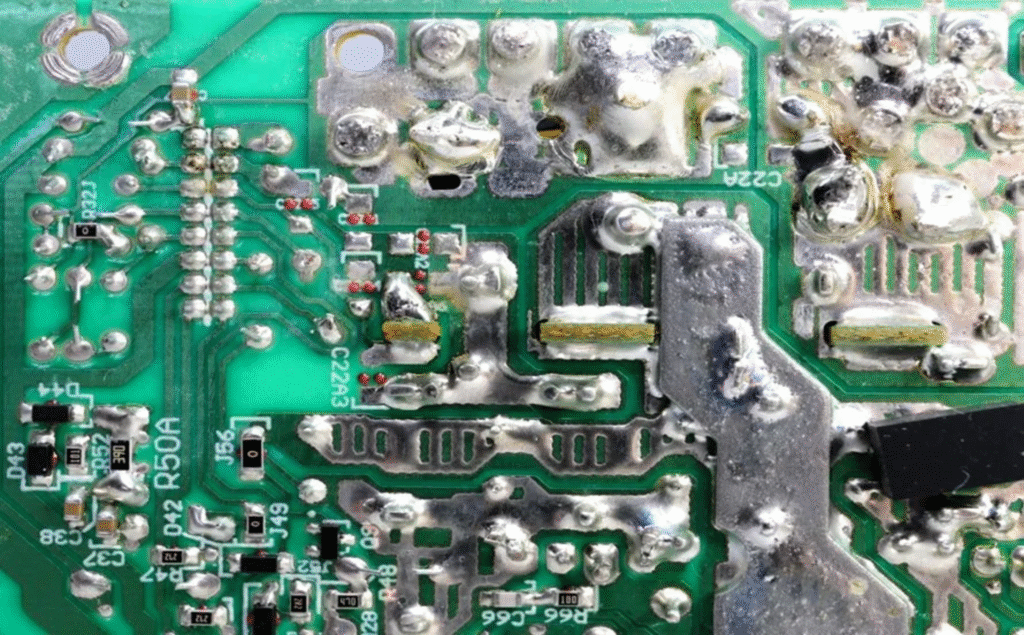
Many products pass inspection and testing, but issues arise once they reach real-world conditions. One of the primary reasons for this is poor PCB coating control. If the coating process is inadequately controlled, it can lead to performance problems that affect the functionality and reliability of PCBs.
Here are some of the most common problems caused by poor coating control:
1. Inconsistent Coating Thickness
Coating thickness is one of the most crucial factors in ensuring PCB coating control. If the coating is too thick, it can lead to overheating and poor conductivity. On the other hand, if the coating is too thin, it might not provide adequate protection, leaving the PCB vulnerable to environmental damage such as moisture, dust, or temperature fluctuations.
Consequences:
- Too thick a coating can lead to excessive heat generation, causing components to fail or overheat.
- If the coating is too thin, it doesn’t offer sufficient protection, leaving the PCB vulnerable to external factors like moisture, dirt, and corrosion.
2. Uneven Coating Application
Inconsistent coating application can result in defective electrical connections, leading to short circuits, open circuits, or other electrical issues. These defects often go unnoticed during inspection and only manifest once the product is in use.
Consequences:
- Electrical performance degradation due to insufficient coating over critical components.
- Increased risk of product failure when exposed to real-world environmental factors.
3. Improper Curing
Curing is a critical process in PCB coating control, as it ensures the coating adheres properly to the PCB. If the curing process is not done correctly, the coating may not bond adequately, leading to peeling, cracking, or reduced performance over time.
Consequences:
- Poor adhesion results in a weak coating that can peel off under mechanical stress.
- Inconsistent curing may lead to regions with insufficient protection, leaving the PCB vulnerable to external damage.
How to Control the Coating Process
To avoid the issues mentioned above, manufacturers must implement strict control over the coating process. The following are the three primary control points that play a significant role in achieving high-quality, consistent PCB coatings:
In a similar way, ensuring firmware programming control and traceability is crucial to maintaining consistent and reliable production standards. Learn more about how version control and process traceability help ensure the stability of your production in our article on Firmware Programming Control
1. Environmental Control
The environment in which the coating is applied plays a significant role in the quality of the finished product.
Factors such as temperature, humidity, and dust can all affect the coating application. Humidity can cause moisture to accumulate on the PCB surface, leading to poor adhesion, while dust can contaminate the coating, affecting its uniformity. Fluctuations in temperature can also result in uneven curing or inconsistent coating thickness.
For detailed information on industry standards for PCB coating processes, refer to the IPC Standards, which provide comprehensive guidelines for environmental control during PCB manufacturing.
Best Practices for Environmental Control:
- Maintain a cleanroom environment or use filtered air systems to reduce dust and other contaminants.
- Keep temperature and humidity at optimal levels to ensure proper coating application. This is particularly crucial for temperature-sensitive coatings.
- Monitor air quality in the production area to ensure that contaminants don’t interfere with the coating process. Using air purification systems can help maintain a clean atmosphere.
By maintaining a controlled environment, manufacturers can significantly reduce the chances of poor coating quality, leading to more consistent products.
Maintaining a controlled environment is essential for ensuring the coating process is performed consistently. Temperature fluctuations, for instance, can have a significant impact on coating quality. Similarly, temperature control in processes like reflow soldering plays a crucial role in ensuring the integrity of PCB assemblies. To learn more about how precise temperature control influences PCB assembly reliability, check out our article on Reflow Soldering Profile.
2. Coating Thickness Control
Best Practices for Coating Thickness Control:
Coating thickness is crucial for ensuring consistent PCB performance. If the coating is too thick or too thin, it can lead to significant reliability issues. Similar to coating, controlling solder paste thickness in the PCB assembly process is equally important. For a deeper understanding of how solder paste thickness can affect PCB assembly quality, read our article on Solder Paste Printing Optimization.
For a deeper understanding of how solder paste thickness can affect PCB assembly quality, check out the research paper on Solder Paste Printing Optimization available on IEEE Xplore, which explores the latest advancements in solder paste printing technology.
- Use automated coating equipment to ensure consistent and precise coating application. Automation reduces the chance of human error and ensures the same quality every time.
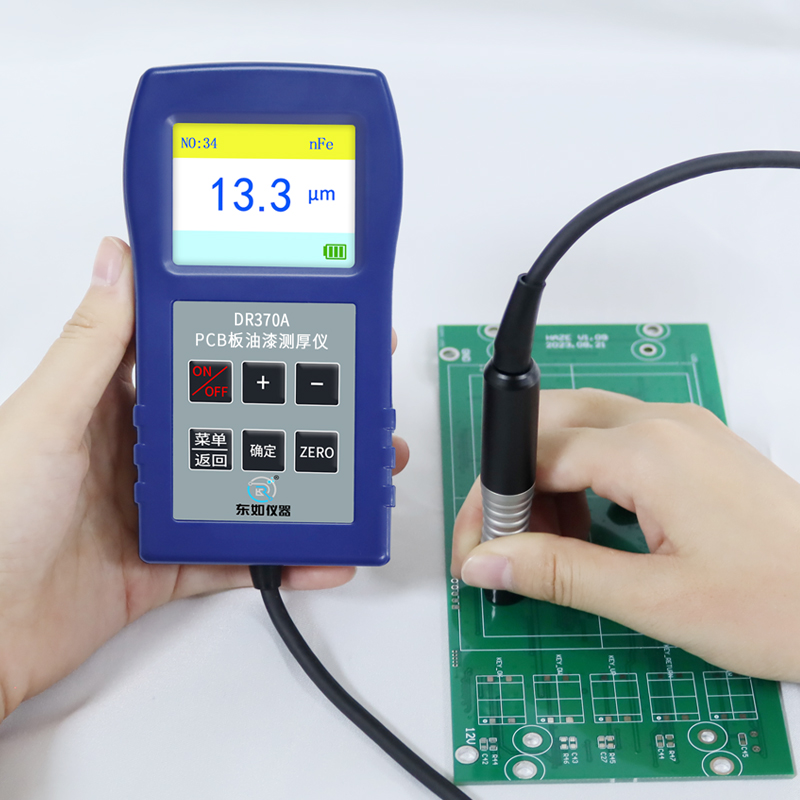
For more information on advanced coating systems and automation equipment, check out the latest technology from Nordson, a leader in automated coating solutions - Measure coating thickness regularly with thickness gauges to ensure that the coatings meet the specifications. Gauges should be calibrated periodically for accuracy.
- Calibrate coating machines regularly to ensure the equipment applies the correct amount of coating. This includes spraying techniques, pressure settings, and application speeds.
Automating the coating process and implementing real-time monitoring systems ensures that every PCB receives the appropriate amount of coating, resulting in improved product consistency. By controlling coating thickness, manufacturers can avoid overheating and inadequate protection, resulting in more reliable products.
3. Proper Curing Process
The curing process ensures that the coating bonds to the PCB and hardens properly, providing long-term protection and stability.
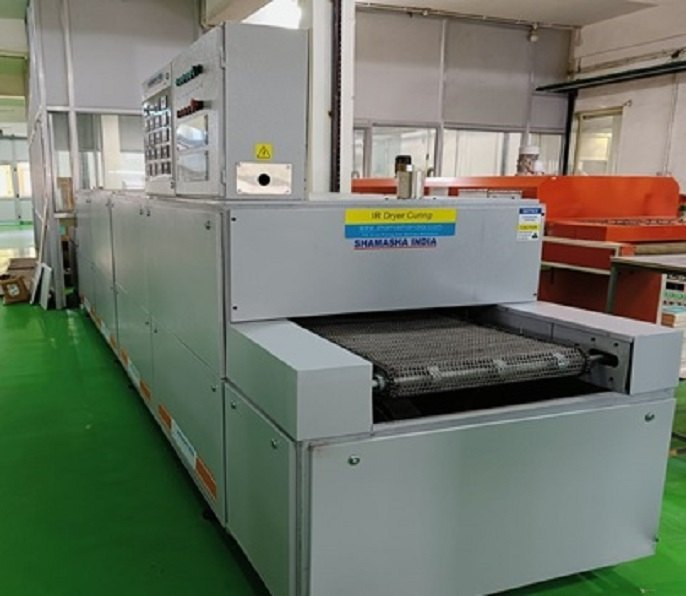
If curing is not done properly, the coating may not fully adhere, leading to delamination or inconsistent performance. Incomplete curing can also result in reduced performance and reliability.
Best Practices for Curing Process Control:
- Monitor temperature and time: The curing process must be carefully controlled to ensure proper bonding. Both temperature and time must be precisely managed to avoid over- or under-curing.
- Use automated curing systems: These systems can ensure that the curing process is completed under the correct conditions, reducing human error.
- Test cured samples: Before full production, test a batch of products to verify that the curing process has been done properly. Accelerated testing such as thermal cycling can be used to verify coating stability under real-world conditions.
Controlling the curing process is critical for ensuring that the coating remains stable over time and continues to provide the necessary protection and performance. The curing process should be treated with the same level of importance as coating application itself.
“Additionally, traceability throughout the production process is essential for ensuring that every stage, including the curing process, meets required quality standards. Learn more about how traceability in electronics manufacturing can help control quality and reduce risk in our article on Traceability in Electronics Manufacturing: Controlling Quality and Reducing Risk
In addition, managing risks during the transition from prototype to mass production is essential for ensuring the overall stability of your production processes. Learn more about the key risks and how to avoid them in our article on From Prototype to Mass Production: Key Risks and How to Avoid Them
Why Coating Control Is So Important for PCB Performance
PCB coating control is not just about applying a protective layer to the surface of the PCB; it directly affects the reliability and performance of the product. Without proper control over the coating process, even the best-designed PCBs can fail in real-world conditions, leading to product recalls, customer complaints, and costly rework.
By focusing on environmental control, coating thickness, and proper curing, manufacturers can significantly reduce the risk of product failure and improve the reliability of their products. Effective coating control ensures that each PCB performs consistently and meets the required standards, even under harsh conditions.
The Benefits of Effective Coating Control
Implementing stringent coating control measures not only ensures product reliability but also brings several other benefits:
- Improved product durability: Coating provides added protection against environmental factors like moisture and corrosion, extending the life of the PCB.
- Reduced production costs: By avoiding defects and rework, manufacturers can reduce the costs associated with defective products and returns.
- Enhanced customer satisfaction: Reliable and high-quality products lead to increased customer trust and satisfaction, improving brand reputation.
Conclusion
PCB coating control is a critical step in ensuring product consistency and reliability. By properly managing environmental factors, coating thickness, and curing, manufacturers can significantly reduce the risk of product failure and improve overall product quality. It’s essential to treat the coating process as a key part of the production process, rather than just a final step.
If you are facing issues with your PCB coating process, it may be time to evaluate your current practices and implement stricter controls to ensure the highest quality products. Effective coating control will not only save you money in the long run but also help you maintain the trust and satisfaction of your customers.
👉 Want to learn more about how to control your PCB coating process? Contact us for expert solutions and advice.