
Selecting the right electronic manufacturing partner is one of the most important decisions in hardware product development. Whether you are launching a new consumer device, scaling production of an IoT product, or manufacturing industrial electronics, the capabilities of your manufacturing partner can directly influence product quality, production stability, and time-to-market.
Many companies initially focus on unit price or tooling cost when evaluating suppliers. While cost is important, the long-term success of a product depends on far more than pricing alone. Engineering collaboration, supply chain management, manufacturing integration, and quality control all play crucial roles in determining whether a manufacturing program succeeds or struggles.
Modern electronics production typically involves several coordinated processes:
- PCB fabrication and assembly
- enclosure manufacturing through injection molding
- mechanical integration and box build assembly
- product testing and quality validation
- packaging and outbound logistics
If these stages are handled by disconnected suppliers, communication delays and engineering mismatches often occur. Selecting the right electronic manufacturing partner helps companies avoid these challenges and build a more reliable production workflow.
This guide outlines five critical factors procurement teams and product developers should evaluate when selecting an electronics manufacturing partner.
Why Choosing the Right Electronic Manufacturing Partner Matters
Electronics products are becoming more complex every year. Devices now integrate advanced PCBA designs, custom enclosures, embedded software, wireless connectivity, and strict quality requirements.
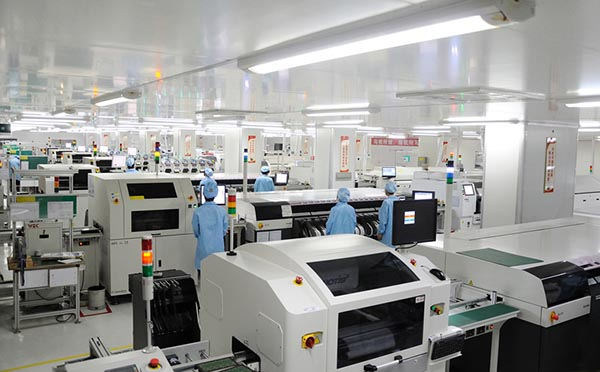
When manufacturing partners lack coordination across engineering and production processes, companies may experience issues such as:
- design changes that take weeks to implement
- inconsistent quality across suppliers
- assembly misalignment between electronics and enclosures
- production delays during ramp-up
Working with a capable electronic manufacturing partner can significantly reduce these risks. Manufacturers that support integrated engineering and production processes help product teams move from prototype development to full-scale production more efficiently.
Understanding the full Electronic Manufacturing Services workflow can also help companies evaluate whether potential partners are capable of supporting end-to-end manufacturing.
Many electronics products also depend on enclosure manufacturing through injection molding, which adds another layer of design and production coordination.
1. Engineering Support and DFM Capability
The best electronics manufacturers contribute value during the engineering phase of product development. Strong design-for-manufacturing (DFM) support helps identify potential production issues before they become expensive problems.
A capable electronic manufacturing partner should be able to assist with:
- PCB manufacturability reviews
- component sourcing validation
- enclosure compatibility checks
- assembly process planning
- test fixture development
For example, reviewing connector placement and mechanical interfaces early in the design phase can prevent enclosure interference issues later in production.
Engineering collaboration between product designers and manufacturing teams often determines how smoothly a product moves into mass production.
2. Manufacturing Capability Across Multiple Processes
Modern electronics manufacturing often requires coordination between electronics production and mechanical manufacturing.
Many products require a combination of processes such as:
- PCBA manufacturing
- injection molding for plastic enclosures
- cable and connector assembly
- final product integration
Manufacturers that support these capabilities within a coordinated workflow are often better equipped to manage complex production programs.
Integrated manufacturing can also significantly influence total production cost across supply chains.
An integrated electronic manufacturing partner can reduce delays caused by supplier handoffs and improve communication between engineering teams.
For example, when enclosure tooling and PCB assembly are managed within the same program team, engineering changes can be implemented much faster.
3. Quality Control Systems and Inspection Standards
Reliable quality control systems are essential for maintaining production consistency.
Most experienced electronics manufacturers implement several inspection and testing processes during production, including:
- solder paste inspection (SPI)
- automated optical inspection (AOI)
- in-circuit testing (ICT)
- functional product testing
Many manufacturers follow international standards such as IPC-A-610, which defines acceptability criteria for electronic assemblies.
When evaluating an electronic manufacturing partner, procurement teams should also review the supplier’s quality management systems, including:
- failure analysis procedures
- corrective action systems
- process documentation standards
- continuous improvement practices
These systems help ensure consistent product quality throughout production.
4. Supply Chain Management Capability
Component availability has become one of the biggest challenges in electronics manufacturing.
Global supply chain disruptions have made supplier evaluation more critical for electronics companies.
Manufacturers with strong supply chain management systems can help companies reduce delays caused by component shortages and supplier disruptions.
Effective supply chain management may include:
- alternative component sourcing
- supplier risk monitoring
- component lifecycle management
- global procurement networks
An experienced electronic manufacturing partner should also be able to forecast component demand and coordinate purchasing strategies that support stable production.
Supply chain expertise often becomes particularly important when scaling production volumes or launching new products.
5. Production Scalability and Program Management
Many manufacturers are capable of building prototypes, but fewer suppliers are able to scale production efficiently.
When selecting an electronic manufacturing partner, companies should evaluate the supplier’s ability to support:
- New Product Introduction (NPI) processes
- pilot production runs
- large-scale production ramp-up
- long-term production stability
Structured program management processes help ensure that engineering changes, production planning, and quality control remain aligned during product ramp-up.
Manufacturers that support clear communication channels and structured project management often provide more predictable production outcomes.
Practical Example: Evaluating an Electronics Manufacturing Partner
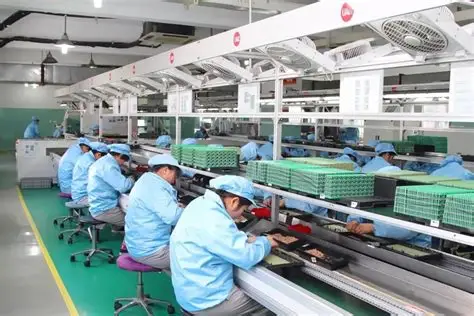
Consider a company developing a smart home gateway device.
The product requires several manufacturing stages:
- PCBA manufacturing
- plastic enclosure production
- final assembly and testing
During supplier evaluation, the procurement team identifies two potential manufacturing partners.
Supplier A specializes in PCB assembly but relies on external vendors for enclosure production. Supplier B provides integrated manufacturing capabilities, including PCB assembly, injection molding, and final product assembly.
Although Supplier A offers slightly lower assembly costs, Supplier B demonstrates stronger engineering coordination and faster response to design changes.
For many complex products, working with an integrated electronic manufacturing partner can improve production efficiency and reduce supply chain complexity.
Frequently Asked Questions
How do I choose between multiple electronics manufacturers?
Start by evaluating engineering support, manufacturing capabilities, supply chain management, and quality systems. The best electronic manufacturing partner should support both product development and scalable production.
What certifications should an electronics manufacturer have?
Common certifications include ISO 9001 for quality management and industry-specific manufacturing standards related to electronics production.
How important is DFM support when choosing a manufacturer?
Design-for-manufacturing support is critical. Early engineering collaboration often prevents production issues that could otherwise delay product launches.
Conclusion
Choosing the right electronic manufacturing partner requires a structured evaluation process.
Companies should look beyond price comparisons and evaluate suppliers based on engineering expertise, manufacturing capabilities, quality systems, supply chain strength, and production scalability.
A reliable manufacturing partner can help companies reduce production risks, accelerate product launches, and maintain consistent product quality.
By carefully evaluating these five factors, procurement teams can select manufacturing partners capable of supporting electronics products from prototype development to large-scale production.